Updated:
18.8.2026
Picture this: it’s December, the afternoon sun is out, the BBQ is on, and the deck is glistening. The outdoor space that spent all winter looking like a project has become the place everyone actually wants to be.
Sorting the painting, the deck repairs, the garden and the outdoor space you’ve been meaning to tackle is what makes the difference between a summer you enjoy and one you spend catching up. Here’s where to start while the season is still ahead of you.

The payoff for getting your deck sorted in spring. Here’s what else is worth tackling before summer.
Why spring is the best time to paint your home’s exterior
Summer might seem like the obvious time to paint with its warm, long days. But if it’s too hot, the heat might be working against you. Paint applied in direct sun or high temperatures dries too fast on the surface without bonding properly underneath, which is what leads to blistering and peeling sooner than it should.
Shawn Thompson from Property Enhancements, who works on exteriors across Canterbury, puts it simply:
“If your washing wouldn’t dry, your paint won’t either. Really hot days aren’t good either, paint dries too fast and you don’t get a nice finish. You want that sweet spot: warm, dry, a light breeze, and no direct sun.”
Spring gives you exactly that, surfaces that have been through a wet winter are finally drying out, temperatures are mild, and UV intensity is lower than it will be in summer; all the conditions paint needs to cure properly and last.
If you noticed peeling, bubbling or cracking paint over winter, a painter can assess whether you need spot repairs or a full repaint. How often you’ll need to repaint depends on the paint used, your home’s exterior material, and the climate it’s up against: homes in coastal areas typically need repainting every five to seven years rather than the standard seven to ten, and the same goes for homes copping heavy sun exposure or high rainfall. Good quality paint and staying on top of small repairs both help stretch that timeframe further.
Already dealing with peeling or bubbling paint? Why Paint Peels, Flakes and Bubbles, and How to Repaint It Properly covers what’s causing it and how to fix it properly.
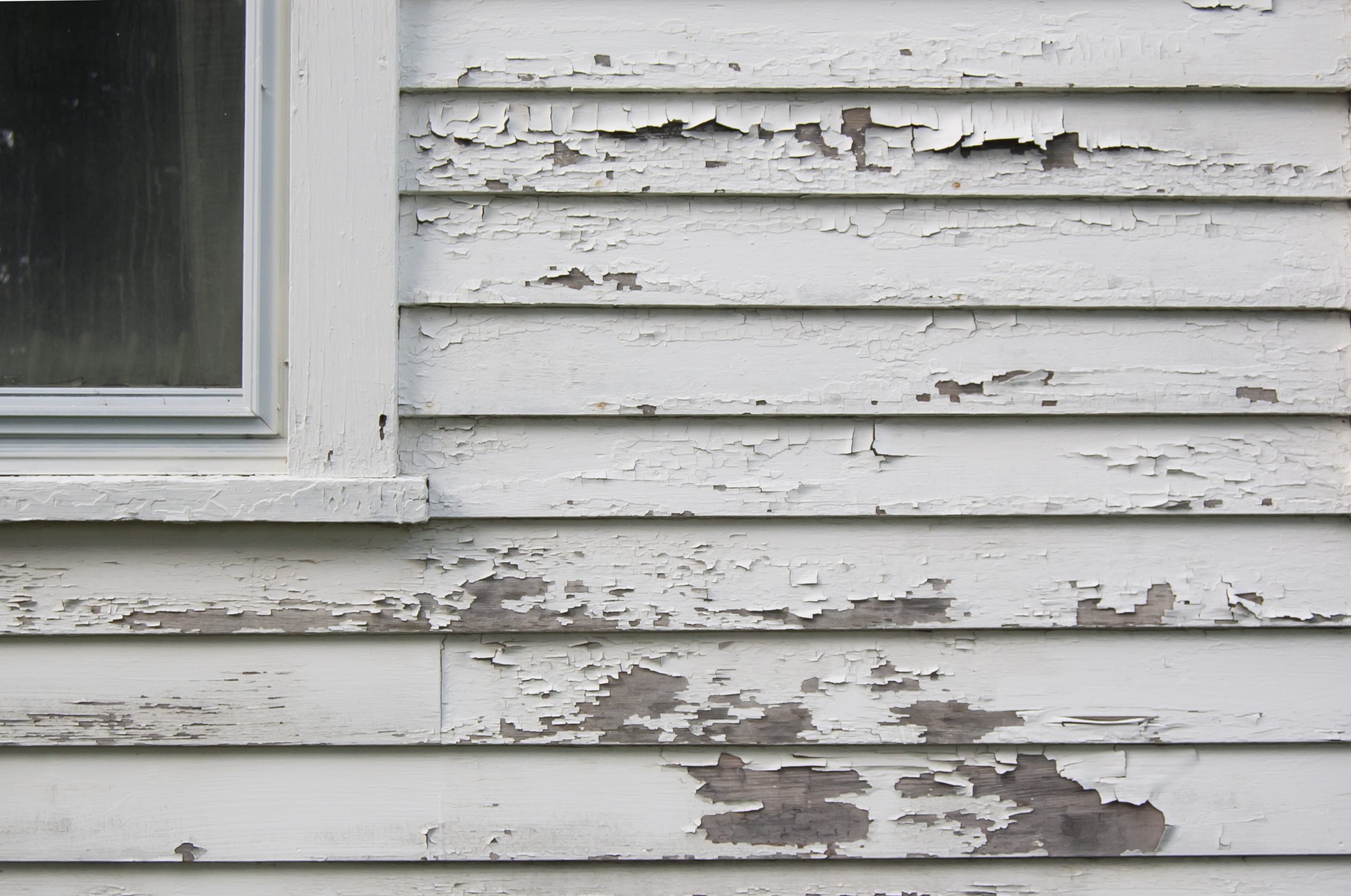
Kiwi houses take a real beating, and paint applied at the wrong time doesn’t help.
What to check on your decks, fences and timber
After a winter of wild weather, rain, frost and humidity, decks and fences need a healthy dose of care to get them looking their best again.
Decks
Start with a walk across the deck, paying attention to how it feels underfoot. Soft or spongy spots can indicate rot in the decking boards or framing underneath. Check for lifted or cupped boards, popped nails or screws, and split boards, then look at the posts where they meet the ground; this is where moisture sits and rot begins.
Timber decks need oiling or staining before the summer heat arrives, ideally on a warm, overcast day with low humidity and no rain forecast. If the finish has worn back to bare timber, it’ll need a clean and a light sand first.
And if this is the spring you’ve been thinking about finally building a deck, now’s the time to start the conversation with a builder. Design, consent and the build itself all take time, and starting now means it’s done and ready well before summer.
Fences and retaining walls
Fences take a beating over winter, particularly timber ones. Check palings for rot or splits, and posts at ground level for lean or softness. A tired but structurally sound fence can often be transformed with a clean and a coat of stain or paint. If it’s a boundary fence, repair costs are typically shared equally with your neighbour, which is worth raising before you get quotes.
For retaining walls, look for any signs of movement, bulging, or gaps in the joinery. A retaining wall that’s shifting after a wet winter is something to get a professional to assess.
For a full guide on fencing issues, repair vs replacement, and what to expect from the process, read: Your Handy Fencing Guide for Common Issues and Repairs.

Timber decks need oiling or staining before the summer heat arrives.
What winter left behind: your post-season roof and gutter check
We all know winters in NZ can be harsh. Storm events and weeks of wet weather can shift things that were fine in autumn: lifted flashings, cracked tiles, debris blocking the valleys where two roof planes meet and water’s meant to run through freely, gutters that have filled again despite being cleared months ago.
Inside the house first
Ceiling stains, damp patches on internal walls, or a musty smell in a room that wasn’t there before winter are often the first signs that water has found a way in somewhere above. These don’t always mean a dramatic leak, sometimes it’s a small gap in a flashing or a cracked tile that’s been slowly letting moisture in over months. If you’ve noticed anything like this over winter, that’s your starting point for the inspection.
Then look at the roof
From ground level, look for anything that’s visibly shifted: tiles that appear lifted or out of alignment, ridge capping that looks loose, or debris sitting in the valleys where water needs to flow freely. After a particularly stormy winter, it’s worth getting a roofer up for a proper check even if nothing looks obviously wrong from below. Worth a look for moss and lichen too, especially on shaded south-facing sides where a wet winter tends to encourage it. Left unchecked it retains moisture against the roofing material and can speed up deterioration, particularly on older tile roofs. A roofer can treat and remove it safely, and it’s worth knowing that high-pressure washing isn’t recommended on most roof types as it can damage tiles and strip protective coatings.
Gutters and downpipes
Even if you cleared your gutters before winter, they’ll likely have collected debris again over the wet months. Spring is a good time for a second clear, particularly if you’re in a leafy area. Check that downpipes are discharging freely and that water isn’t pooling anywhere near the house foundation. If your gutters need clearing every year without fail, gutter guards are worth considering. They cut down maintenance time and stop debris building up in the first place.
For a full guide on what to look for with gutters and spouting, read: Guttering and Spouting: How to Spot the Warning Signs and Prevent Damage.
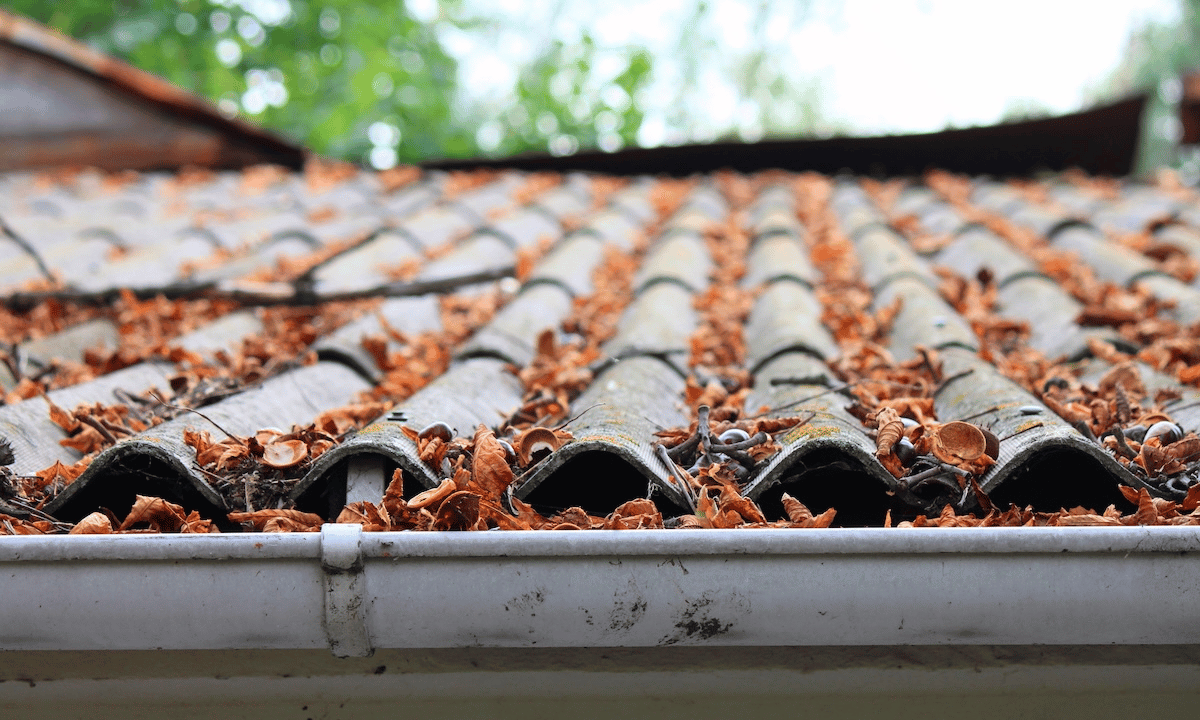
Debris like this in the valleys and gutters is exactly what to check for after winter.
Turning your outdoor space into an extra room
Spring is when the outdoor space stops being something you look at through the window and starts being somewhere you actually want to be.
For a lot of Kiwi homes, the deck is the centrepiece of that. A well-maintained, well-designed deck adds genuine living space, somewhere to eat, entertain, let the kids play, or just sit in the sun with a coffee.
If your deck needs more than a clean and a coat of oil, if boards are past their best or the structure is tired, it might be time to talk to a builder about a new one.
Pergolas and shade are worth considering too. With NZ summers getting hotter, a covered outdoor area extends how long you can actually use the space. A pergola can be added to an existing deck or built as part of a new one, and it doesn’t have to be elaborate to make a difference.
If you’re thinking about a bigger outdoor transformation, new paving, an outdoor kitchen, landscaping, or a full backyard redesign, a landscaper or builder can help sequence the work properly rather than tackling it piece by piece.

Project story: Auckland homeowner Cara replaced her rotten 20-year-old deck with a new kwila timber deck and pergola. “Now I’ve got more living space around the property. I’ve also had a lot of compliments and everyone loves it,” she says. “Don’t be afraid of going a little bit extra.”
The garden and outdoor space you’ve been putting off
Your garden’s just as ready for spring as you are. Time to get in among the weeds and give it what it needs before the growing season gets going. Worth checking pavers and paths at the same time, cracked or uneven ones are a trip hazard and an easy job to tidy up while you’re out there.
Aeration. A wet winter compacts soil and leaves lawns patchy, which means water often can’t reach the roots of whatever’s already growing there, let alone anything new. A pitchfork works for a small bed. For the whole lawn, hire an aerator or get a gardener to take care of it.
Pruning. Make sure you know when your trees and plants need pruning, as they can differ from one plant to another. Some plants are best pruned in late spring or early summer, after their first bloom, while others may benefit before they flower.
Mulching. A layer down afterwards holds moisture in and keeps weeds down, which allows plants to thrive.
For bigger projects, consider a full garden redesign; new planting, raised beds, and better drainage for a yard that holds water all winter. Spring’s growing season and workable ground make the work easier to get right.

A layer of mulch now holds moisture in and keeps weeds out later.
Keeping cool: your heat pump, airflow and ventilation
Your heat pump
Many only think about their heat pump twice a year, when they need heating and when they need cooling, however testing it before you’re relying on it for either might just save you the sweat.
Switch to cooling mode and test it before the first hot day arrives. Heat pumps that have been running on heating all winter sometimes need a filter clean before they perform well on cooling. If it hasn’t been professionally serviced recently, both modes can be checked in the one visit.
Airflow and insulation
A lot of Kiwi homes that are cold in winter are also stuffy and hot in summer, for the same underlying reason: gaps in insulation and ventilation that let warmth in as readily as they let it out. Upstairs rooms and rooms that get afternoon sun are usually the worst affected.
Airflow is the cheapest tool you have. North and west-facing windows let the afternoon heat in. Keeping them closed during the hottest part of the day and opening them in the evening once the outside temperature drops makes a significant difference at no cost. Cross-ventilation, where you open windows on opposite sides of the house to create a breeze path, is more effective than opening windows on one side only.
HRV and ventilation systems that have been running in heating or dry mode all winter should be checked and switched to summer settings. If you’re not sure how to do this or haven’t had the system serviced, a ventilation specialist can do a quick check and make sure it’s set up right for the warmer months.
If you found this winter that your home was particularly cold despite spending on heating, spring is also the right time to look at the underlying cause before next winter arrives.
Blair Ashcroft from Eco Home Program, a Christchurch insulation specialist, puts it clearly: draught sealing first, then insulation, then heating, then ventilation.
Read our full conversation with him here: Where to Start to Make Your Home Warmer This Winter.

Getting it checked before you’re relying on it.
Getting ahead of summer
Whether it’s a paint job that’s been on the list since autumn, a deck that’s finally getting the summer it deserves, or an outdoor space that’s about to become the most-used room in the house, get it sorted now and you’ll spend summer enjoying it instead of still working on it.
If you’re still weighing up what to tackle first, our cost estimator is a good place to start. If you’ve spotted something that needs sorting, post your job on Builderscrack and we’ll connect you with a verified tradie.