Updated:
18.6.2026
New Zealand winters have a way of finding the gaps in a house. If you’ve been pouring money into heaters and still waking up to cold floors and fogged-up windows, chances are you’re solving the problem in the wrong order.
We sat down with Blair from Eco Home Program, a Christchurch-based insulation and healthy home compliance specialist with over 10 years in the industry and a verified tradie on Builderscrack, to find out exactly where to start when your home isn’t warming up the way it should.
Follow the steps to winterproof your home
Where to start with an older home
If you’ve just bought or are currently dealing with a 1960s or 1970s home, Blair has a clear starting point.
“An easy one: I would have sufficient insulation, ceiling and floor. Then I would have the appropriately sized heat pump. And the third would be to have a suitable ventilation system to control any excess dampness.”
Insulation, heating, ventilation. In that order. Double glazing can come later, once the foundations are in place.

Older homes typically need all three sorted before anything else
Start with draught sealing
For Blair, the single most cost-effective fix for most Kiwi homes is also the most accessible, and often a DIY job.
“Walk around your house and find any gaps or draughts. It’s all going to be a bit of a waste of time if your house is full of holes.
Cold air finding its way in means warm air finding its way out, and the gaps that allow it are often hiding in plain sight: under doors, around window frames, along floorboards.
Foam draught tape, door seals, and gap filler are available at most hardware stores. It’s one of the most cost-effective home improvements around, and the results are often felt the same day. The work also makes everything else you spend on heating and insulation more effective.
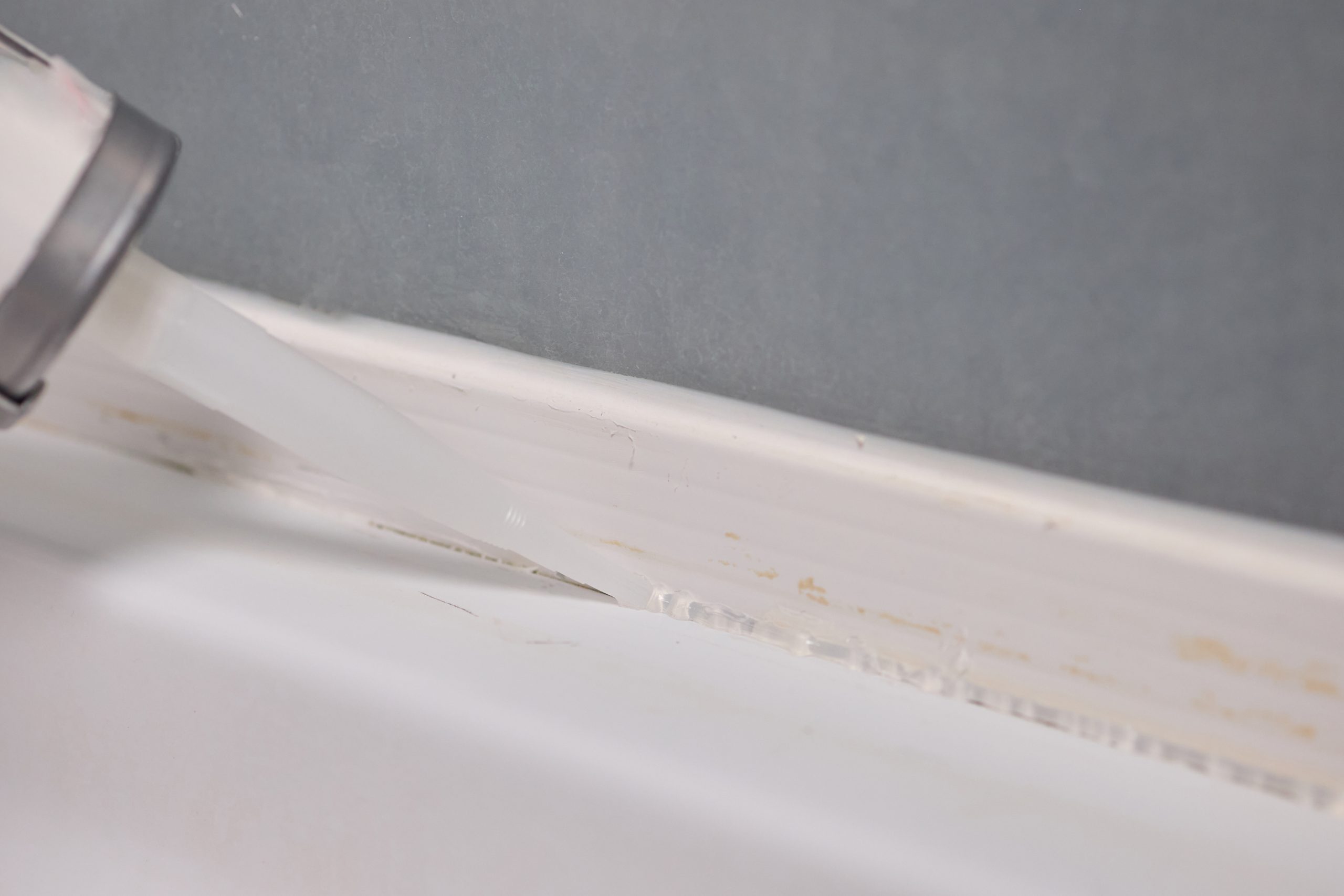
Draught sealing is the most cost-effective improvement most homeowners can make.
Get the insulation right, ceiling before underfloor
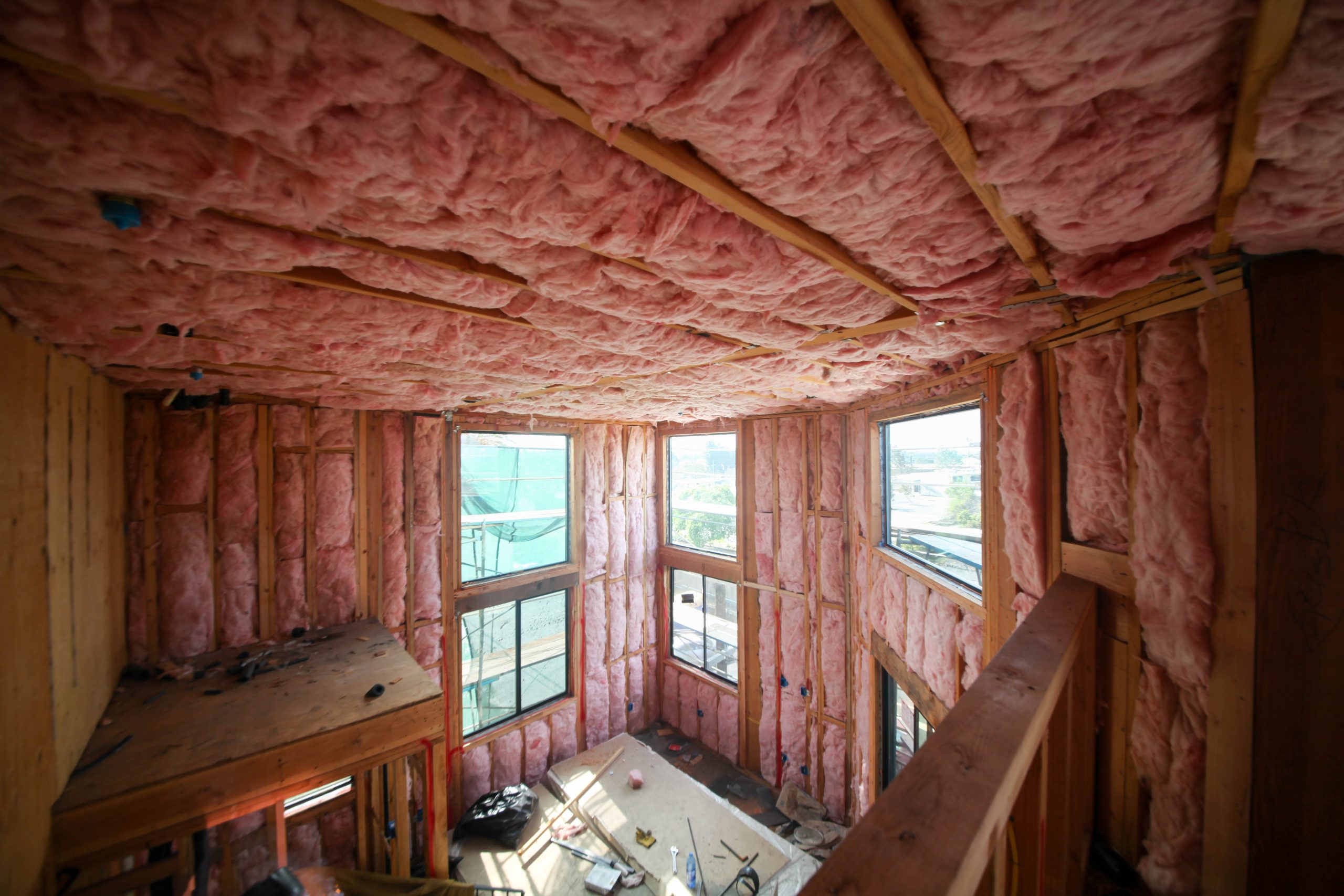
For Blair, insulation should be the next priority. Start with the ceiling and then the underfloor.
“We lose about 35 per cent of heat through the ceiling,” says Blair. That’s the single biggest source of heat loss in a typical home in the Canterbury region, and the place to address first.
The common assumption, that insulation is only a concern in older homes, has also shifted. “Not entirely true,” Blair says. No matter how old your home is, the minimum standard now applies.
And when insulation is in place, it does something that heaters and double glazing alone can’t.
“For your standard house in Canterbury, ensuring you’ve got sufficient ceiling insulation that either complies or exceeds New Zealand’s minimum standard, I think that would be the best long-term investment.”
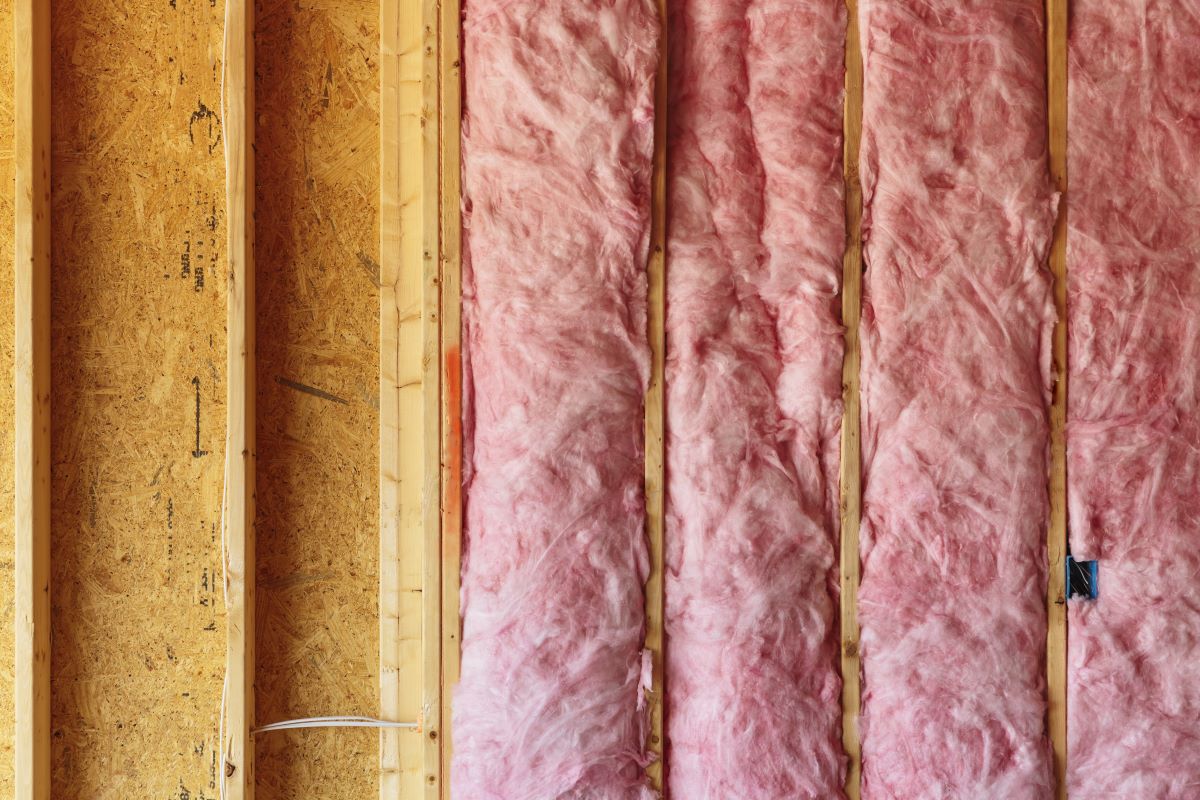
Insulation is the best long-term investment for most Kiwi homes.
Choose the right heating
Once draught sealing and insulation are sorted, heating becomes part of the conversation.
Blair points to the heat pump as the more efficient option over time.
“A plug-in panel heater is obviously only so many kilowatts, whereas a heat pump can be a lot more kilowatts of energy per hour. A heat pump can also heat the house a lot faster, which in turn makes it more efficient.”

A correctly sized heat pump heats a well-insulated home faster and more efficiently.
Where double glazing fits
Blair doesn’t dispute the effect of double glazing.
“It does play a significant part,” Blair says. “It’s probably ranked third on the list.”
What Blair’s priority order reflects is where the biggest gains are for most Kiwi homes, and Canterbury in particular, where Blair works.
The ceiling loses 35 per cent of the heat you generate. Gaps in the building envelope undermine everything else you try to improve. Once those are sorted, double glazing becomes a worthwhile upgrade.

Double glazing is a great upgrade once insulation and draught sealing are in place.
The small things that also add up
Blair points to two other things worth adding to your winter checklist.
“That’s usually due to having excess moisture inside the house. The best and most common way to fix or reduce the condensation is to ensure you’ve got a ground vapour barrier in the subfloor,” Blair says.
“And then once you’ve got that, you just have to ensure you’ve got adequate ventilation inside your house.”
A moisture barrier combined with good ventilation tackles the problem at the root, rather than managing the symptoms day to day.
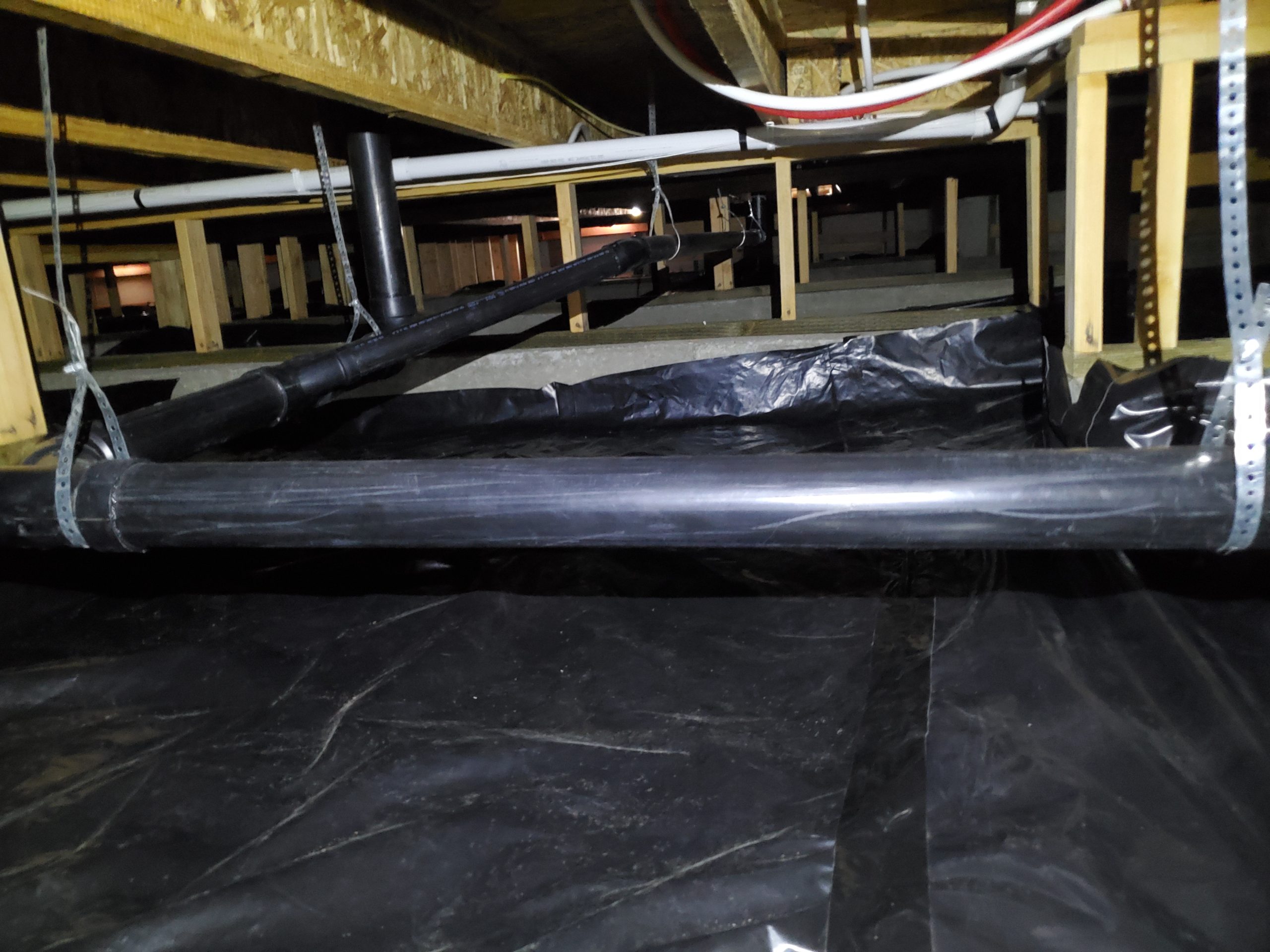
Fixing the source of the problem beats wiping windows every morning.
Why Blair does this work
Blair started Eco Home Program after growing up in a cold house and deciding, as a young adult, that New Zealand homes should be better.
“A house is just a structure and a home is somewhere you want to live. And to make it somewhere you want to live, it helps to be warm, dry, healthy, and have less hospital bills.”

Blair from Eco Home Program has spent over a decade improving the warmth, dryness, and health of New Zealand homes.
Tradies who can help
Getting insulation, draught sealing, and heating sorted means finding the right people in the right order. On Builderscrack, you can find insulation specialists and heat pump installers in your area, read genuine recommendations from homeowners who’ve used their services, and connect directly with the tradie who’s right for your job
A big thank you
A big thanks to Blair Ashcroft from Eco Home Program for sharing his expertise.