Updated:
21.11.2025
I
f the paint on your home is peeling, flaking or bubbling, you’re not alone.
Many homeowners in New Zealand deal with paint problems thanks to our wild mix of sun, salt, wind and rain. Other times, it’s a brave DIY effort that ends with peeling corners instead of a professional finish.
Whatever the reason, we’re here to walk you through what these issues mean, what causes them, and when it’s worth getting a professional painter to sort it once and for all.
Let’s get stuck in!
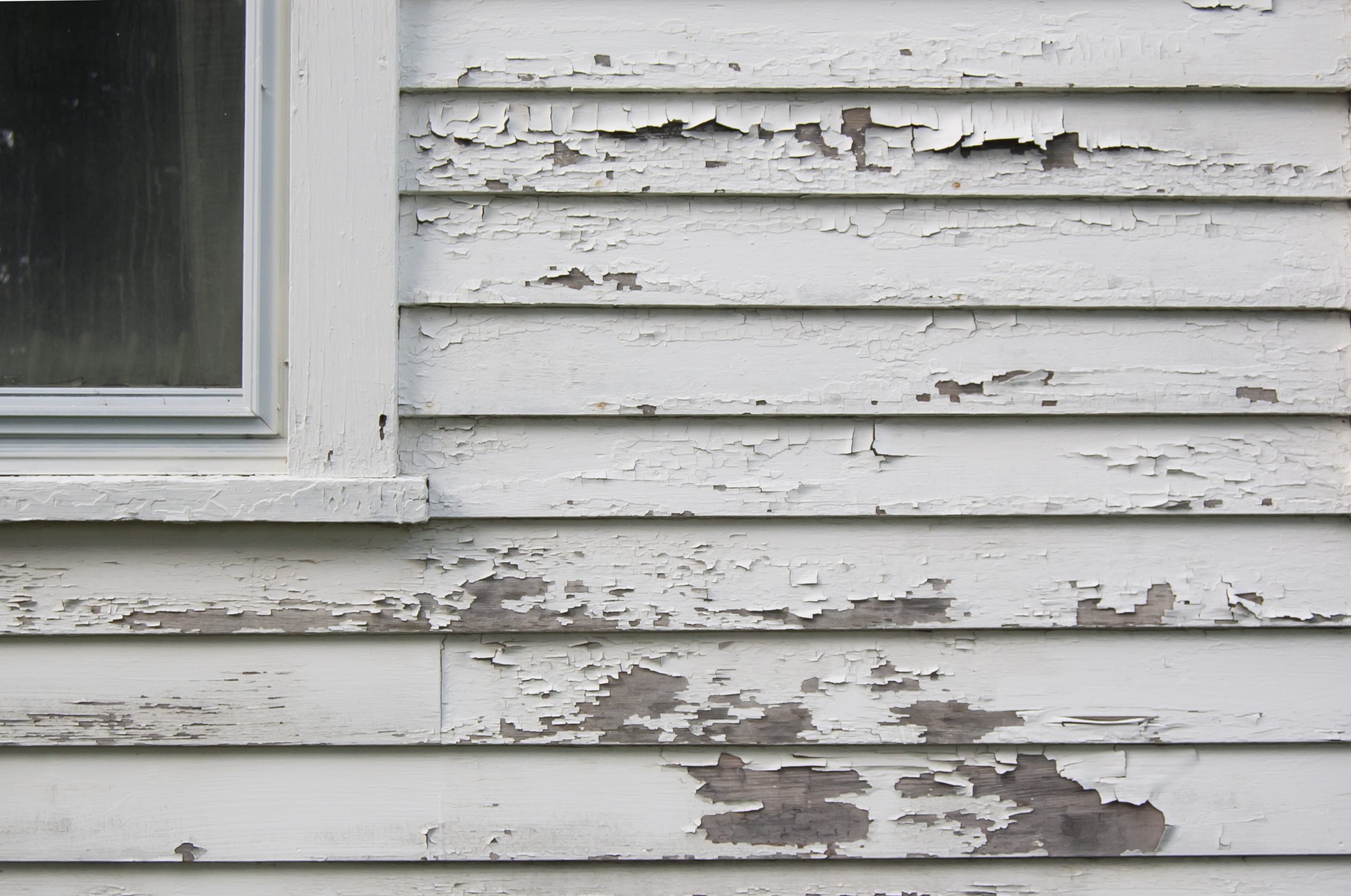
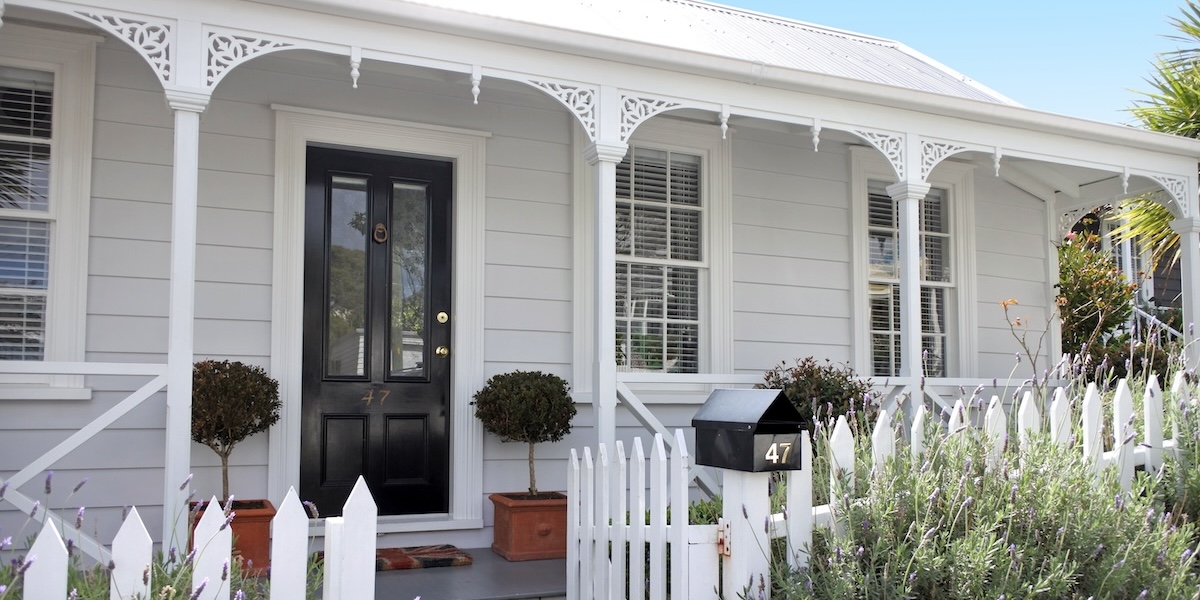
Kiwi houses take a real beating from the elements.
Is my paint peeling, bubbling or flaking?
At first glance, all three might look like the result of “a bad paint job”, but they each tell a slightly different story.
Each type is a clue to what’s going on beneath the surface. Knowing which one you’re dealing with helps you figure out whether it’s a quick sand-and-seal job or something that needs a professional eye.
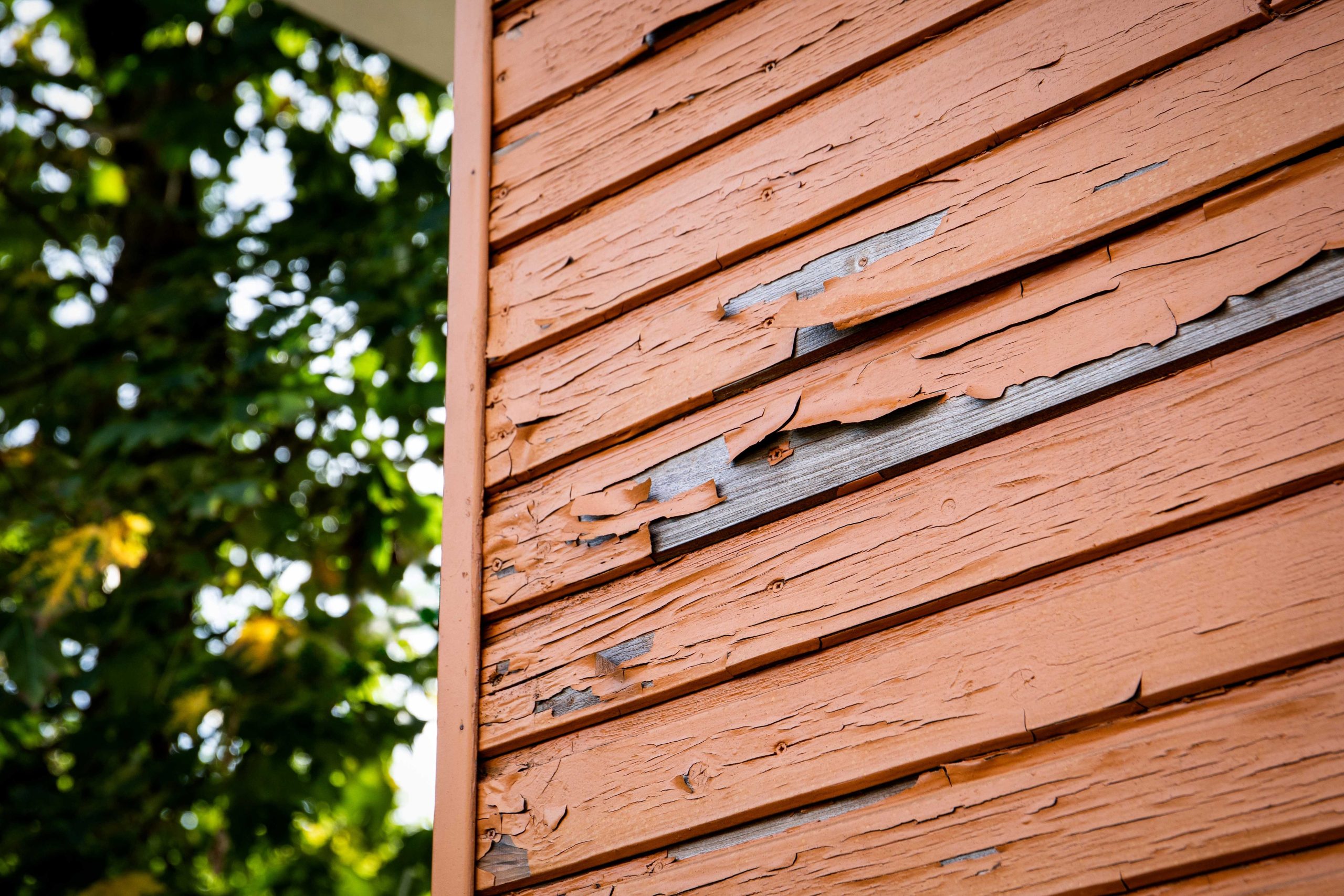
Knowing which issue you’re facing helps you choose the right fix.
Why does paint fail on New Zealand houses?
Our climate is tough on houses. High UV levels in the north can bake paint until it fades or cracks, while coastal areas are constantly battling salty air. Down south, colder climates and morning frosts create moisture that can seep in behind paint layers.
Older villas and bungalows with timber weatherboards often peel if moisture gets trapped behind boards, while modern plaster-clad homes can bubble if the wrong paint type is used.
Sometimes the problem starts long before the weather hits — skipping primer, painting on a humid day, or applying incompatible paints. Over time, these small shortcuts lead to peeling and flaking.
Once the surface is exposed, the real risk is water getting in and damaging the cladding beneath. Catching it early keeps repairs simple and your maintenance costs down.
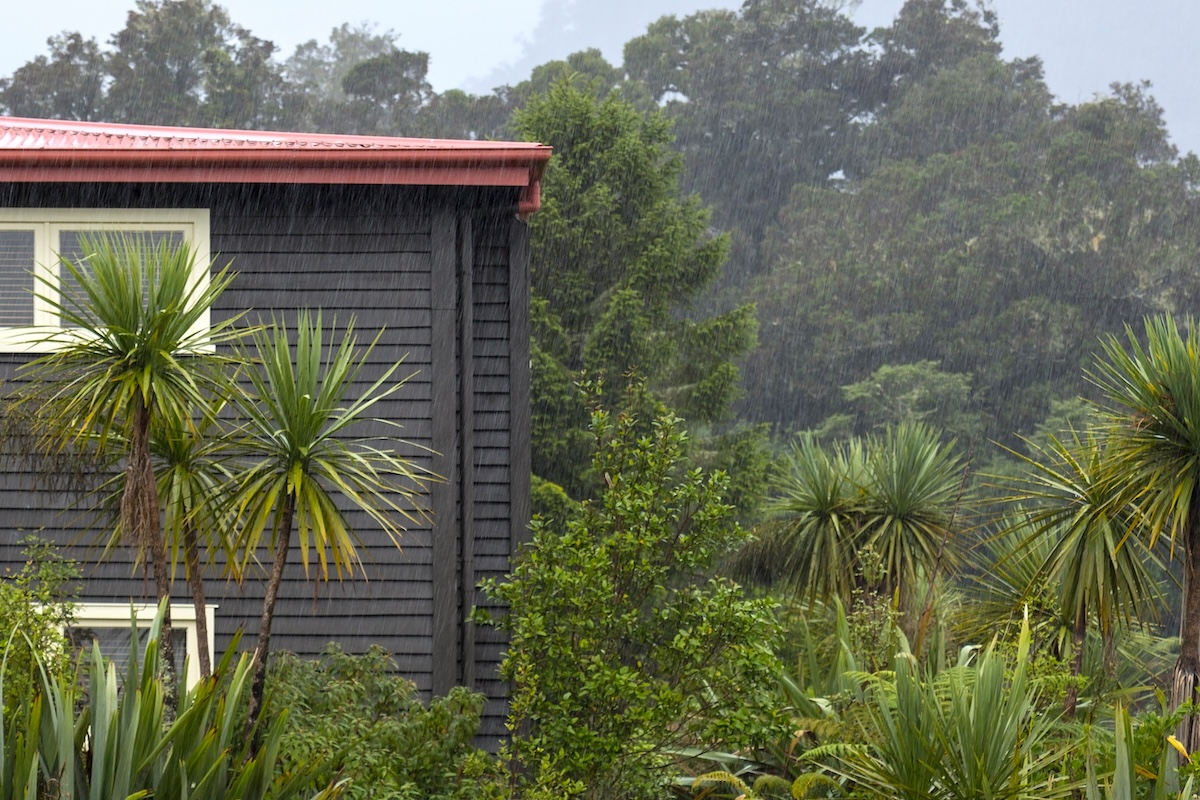
Harsh conditions can break down even the best-quality paint.
Why does exterior cladding matter for painting?
Not all exteriors are created equal. Timber weatherboards, plaster, brick, and fibre-cement each behave differently under paint.
Choosing the wrong paint or prep method for your cladding can shorten its lifespan dramatically.
That’s why many homeowners hire professional painters to repaint — they know which primers and products last the longest in Kiwi conditions. A professional painter who understands your cladding can save you from expensive do-overs later.
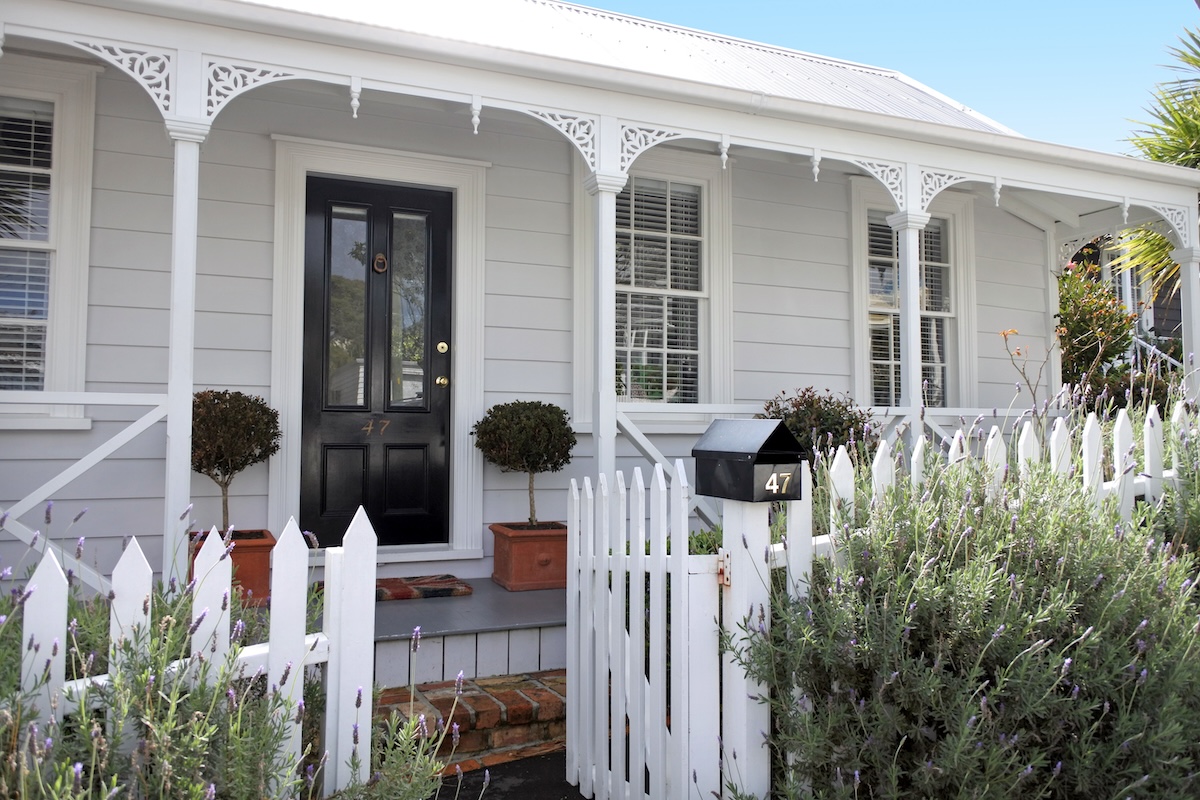
Read our latest exterior painting Project Advice: Your Comprehensive Guide to Exterior Painting in NZ
What if my paint is already flaking?
If your paint is already cracking or curling, sanding and repainting the affected area might buy you a bit of time, but it’s often a sign that the whole side is ready for a fresh coat.
Leaving it too long can let water in, which is especially problematic for weatherboards, as it leads to rot or mould.
A professional painter can assess how deep the damage goes and advise whether it’s a spot repair or a full strip and repaint job.
For many homeowners, that expert opinion saves time, effort and money in the long run.
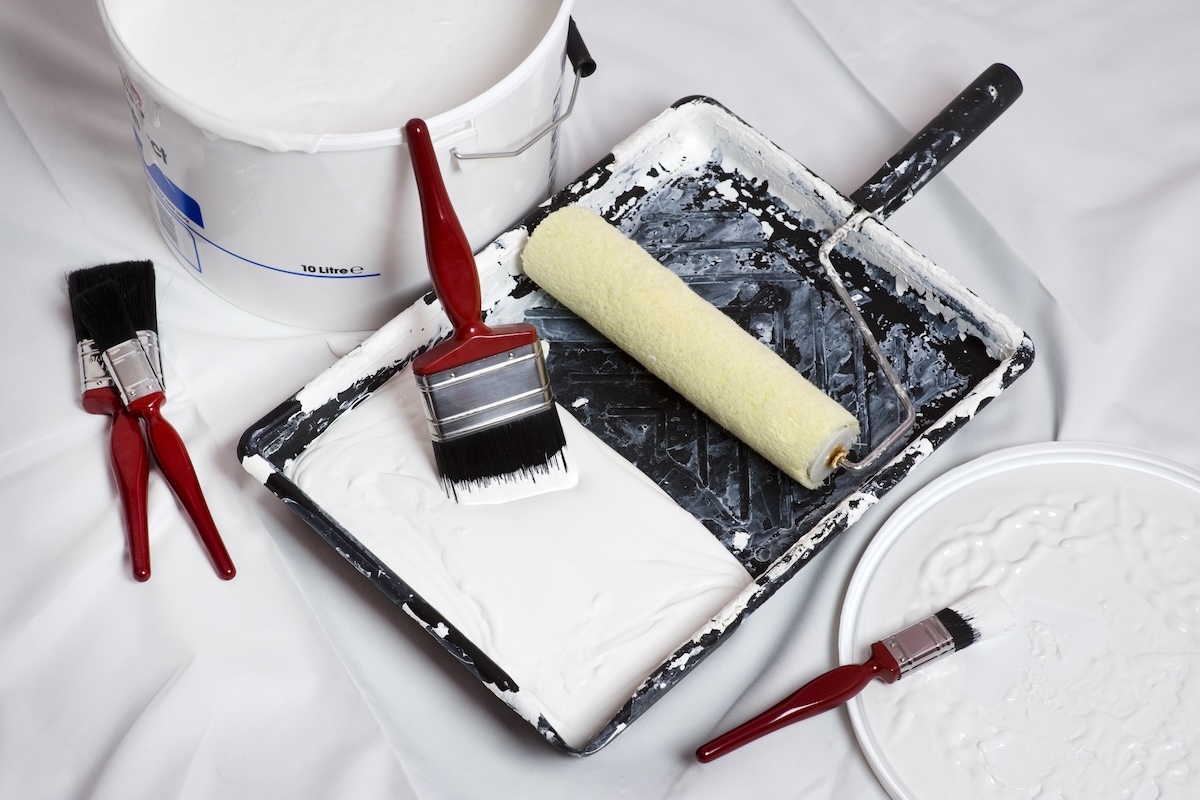
Early repairs prevent bigger problems later on.
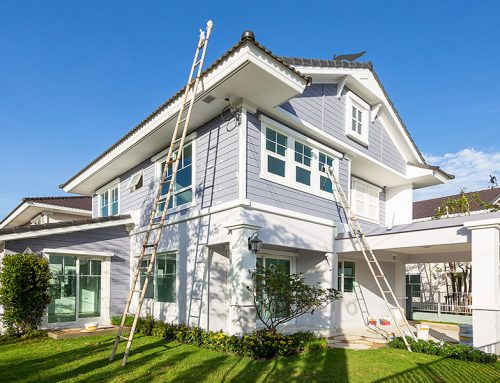
What’s involved in repainting my house?
Repainting isn’t just about rolling on a new colour; it’s about giving your home a fresh, protective skin that can stand up to New Zealand’s wild mix of UV, rain, salt and wind.
It follows a process like this:
- Inspection and prep: The first step is checking for cracks, rot, mould or peeling. It’s worth knowing who’s best for the job, depending on how bad the damage is. For cosmetic surface issues like filling cracks, or sanding and repairing plaster, a professional painter or plasterer can take care of it during their prep. For anything structural, like timber rot or major cracks, you’ll need a licensed builder to repair the affected areas first.
- Cleaning: Washing off dust and grime, sealing any bare patches.
- Masking and protection: Covering windows, decks and gardens to keep things tidy.
- Priming and painting: Applying the right primer so the new paint bonds properly. The right paint and finish are applied in multiple coats for even coverage.
- Final check and cleanup: Touch-ups and detailing finish the job neatly.
It sounds straightforward, but getting each step right takes skill, timing and experience.
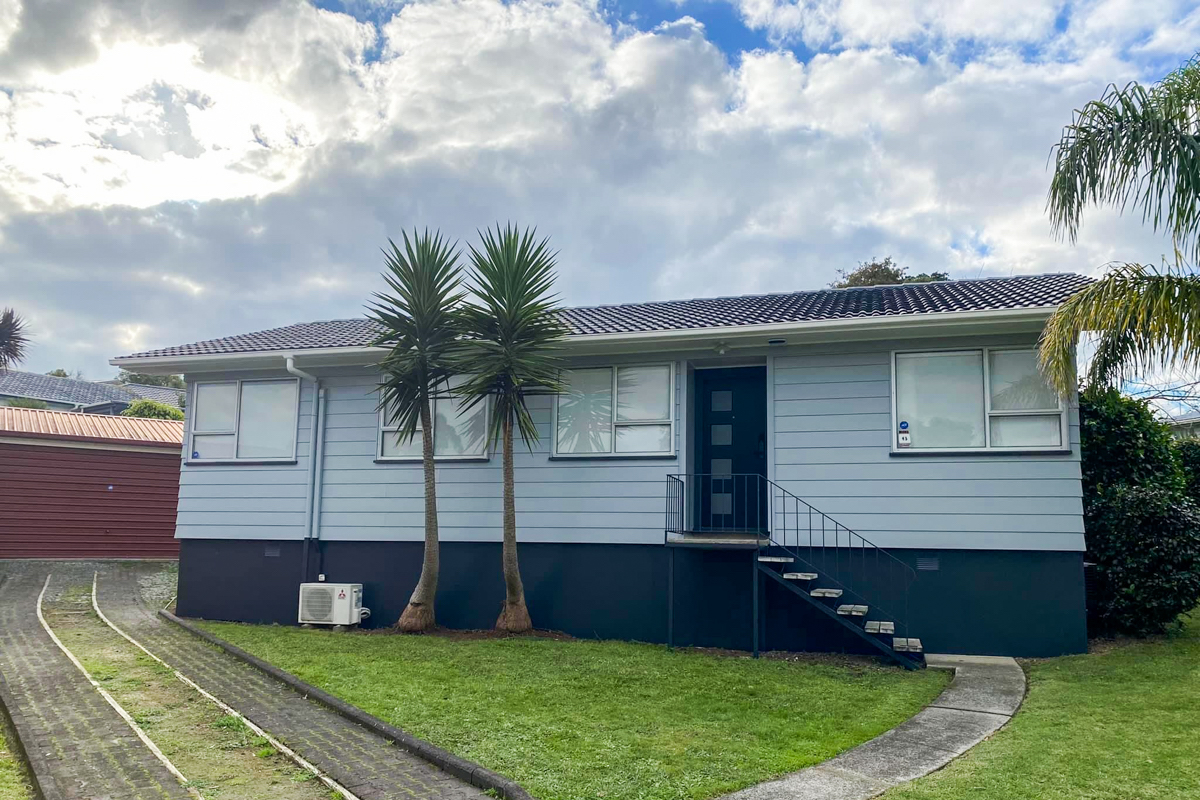
Read our latest exterior painting Project Story: This Classic Kiwi Home Gets A Fresh Lick Of Paint
When can you DIY and when to hire a pro?
If you’ve just noticed a small flaky patch on a sunny wall, a light sand, clean and repaint might do the trick.
But if it’s on the upper storey, or near windows where leaks could be hiding, it’s best to bring in a professional.
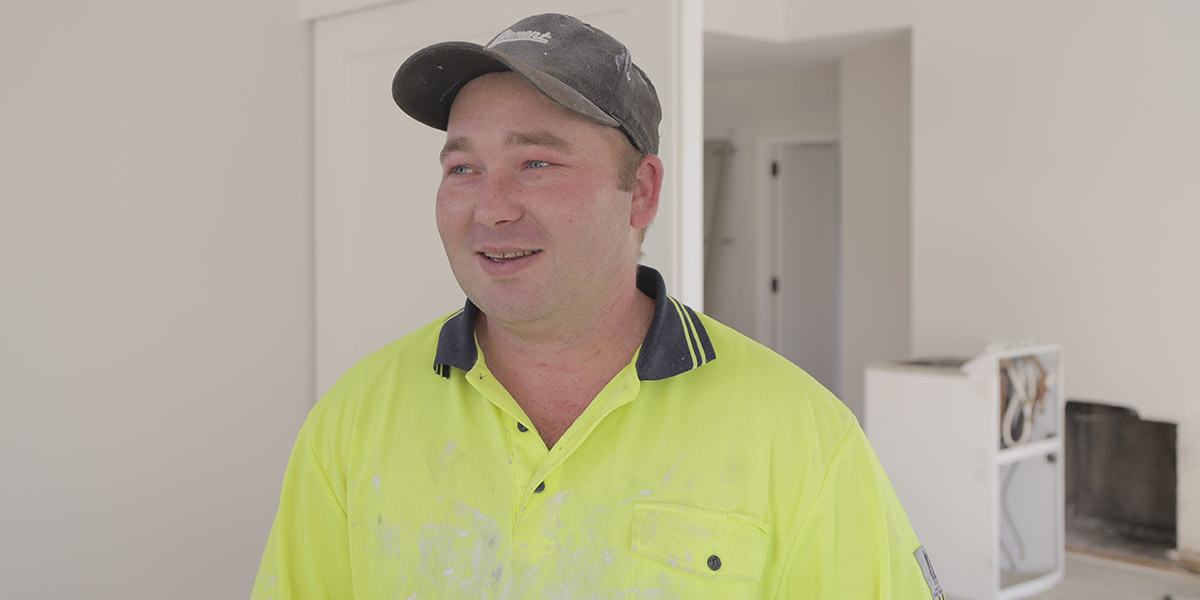
Professional painters understand the challenging weather conditions and best painting materials for your house.
Professionals can spot hidden moisture, test paint compatibility, and handle the safety side — scaffolding, lead paint, tricky access.
While a DIY patch might tide things over, a proper repaint can give your home long-term protection and a clean, even finish.
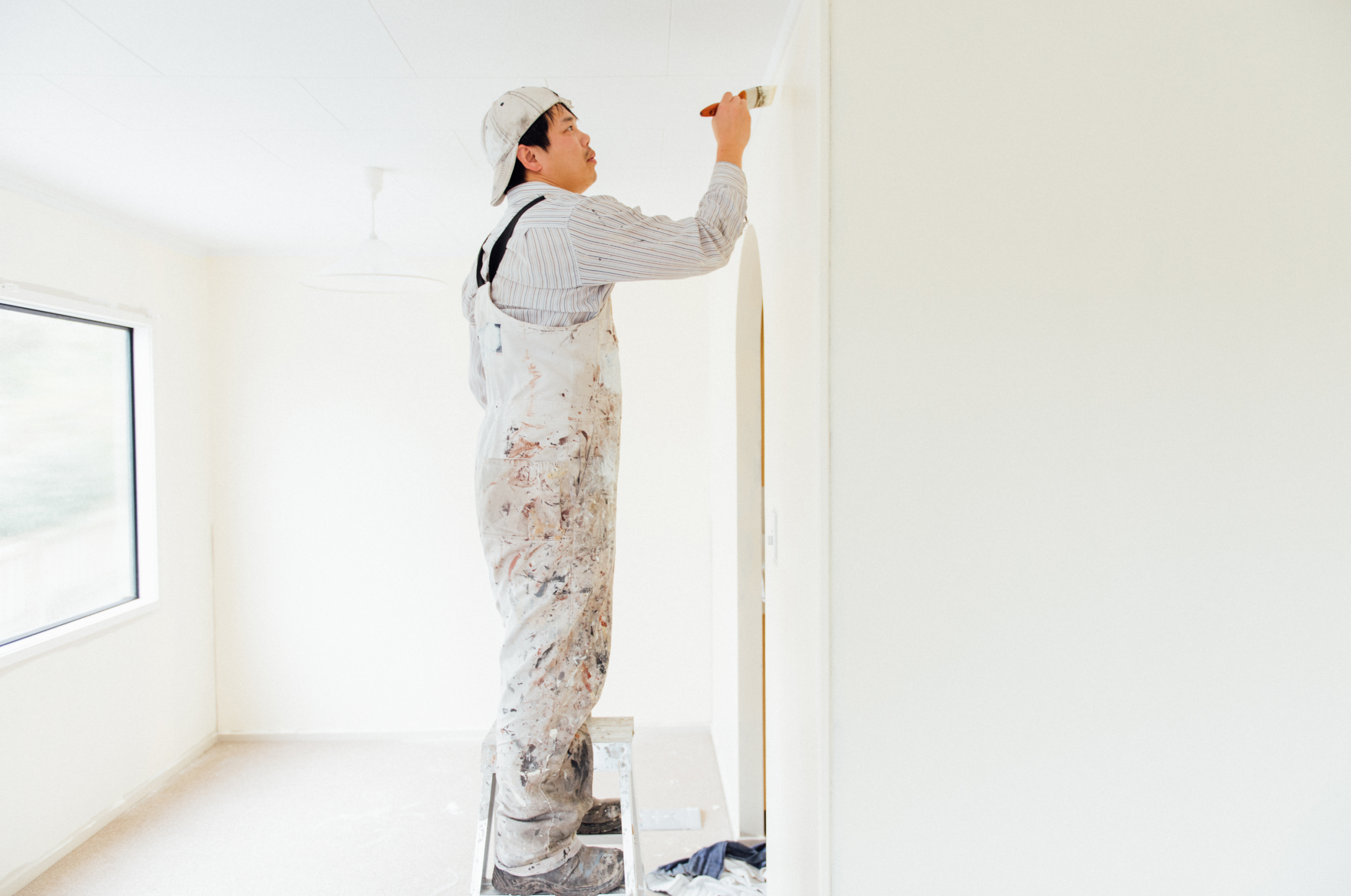
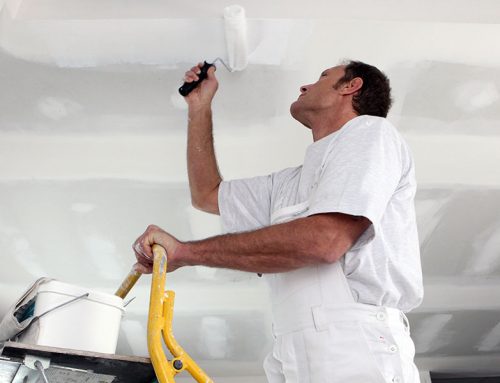
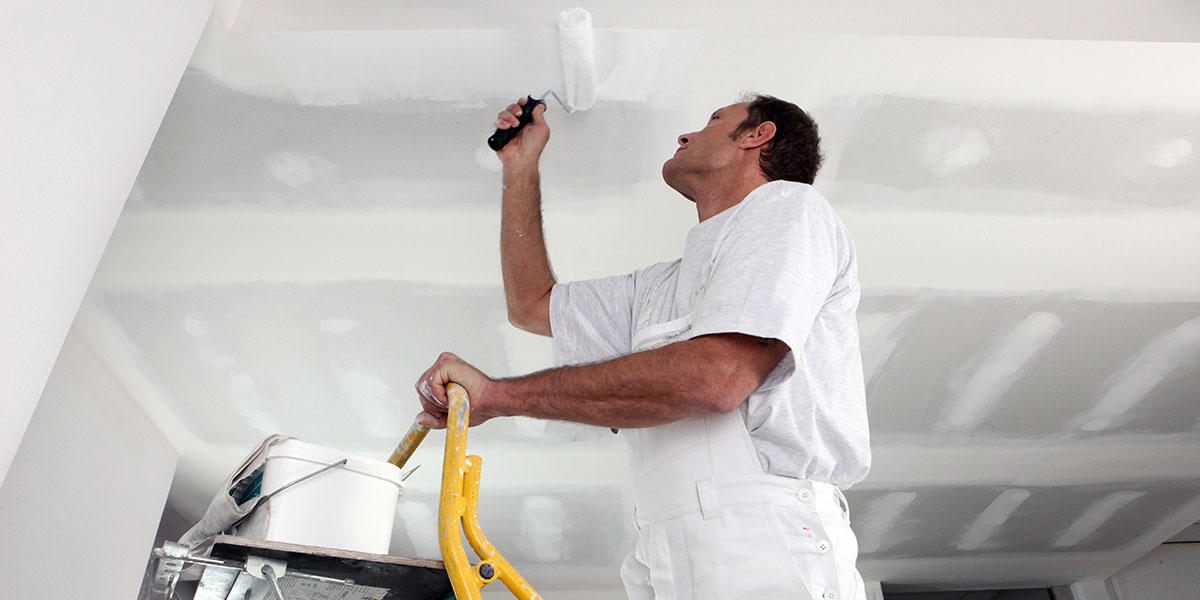
A professional painter can help get the right finish for your house.
How much does house repainting cost in NZ?
House repainting costs depend on the job type, surface and prep required.
Based on Builderscrack job data in September, here’s what homeowners across New Zealand typically spend when repainting their house:
It’s worth getting at least three quotes so you can compare what’s included — prep, undercoat, number of coats, and clean-up.
With Builderscrack, you can post your job for free and receive multiple quotes from local professional painters, complete with reviews from other homeowners.
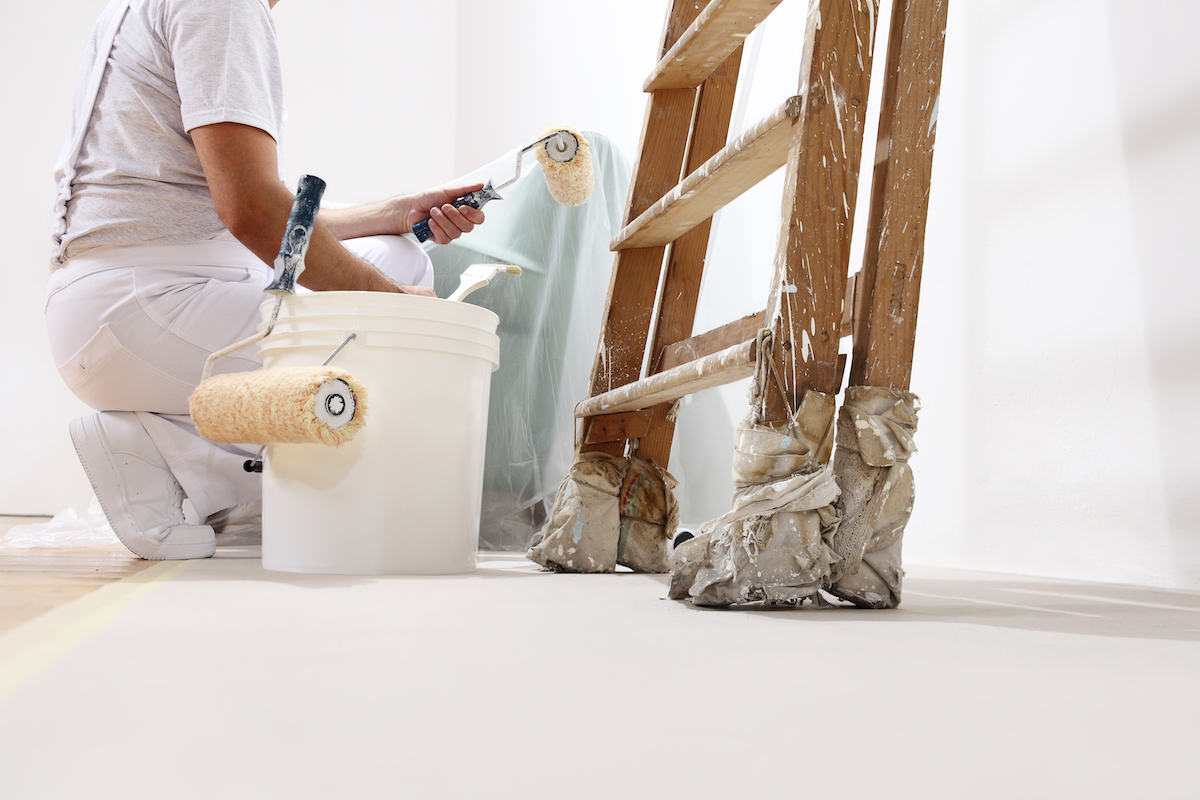
Understanding the typical costs across different job types helps you plan your project with confidence.
Ask a painter: tips from a local pro
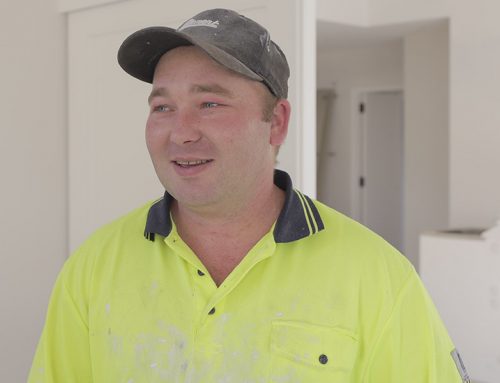
We spoke with Shawn Thompson from Property Enhancement in Christchurch. Here’s what he had to say about keeping paintwork looking its best in New Zealand conditions.
“Sun damage is a big one, homeowners often leave it too long between maintenance, and of course, the weather itself is always a challenge — especially through winter,” he explains.
“But most problems start with poor prep. Using the wrong primer or skipping steps causes bubbling and peeling every time.”
Shawn says preparation makes all the difference.
“We’ll often strip timber right back to bare wood, fill gaps, and use an oil-based undercoat to seal it. The key is using the right product for the right surface,” he mentions.
“Every material needs different prep and timing. There’s usually more work involved on exteriors than interiors because you’re dealing with weather, cladding types and access.”
“Wooden windows take ages. You’ve got tiny corners, hinges, and sills to prep. It’s fiddly but worth doing properly.”
And if you’re thinking of doing it yourself:
“Buy good-quality paint — covers better, lasts longer, and gives a solid finish. Cheap paint looks wishy-washy and takes more coats, so it costs you more in the long run.”
His rule for painting around the weather sums it up perfectly.
“If your washing wouldn’t dry, your paint won’t either.”
“Really hot days aren’t good either — paint dries too fast and you don’t get a nice finish. You want that sweet spot: warm, dry, a light breeze, and no direct sun.”
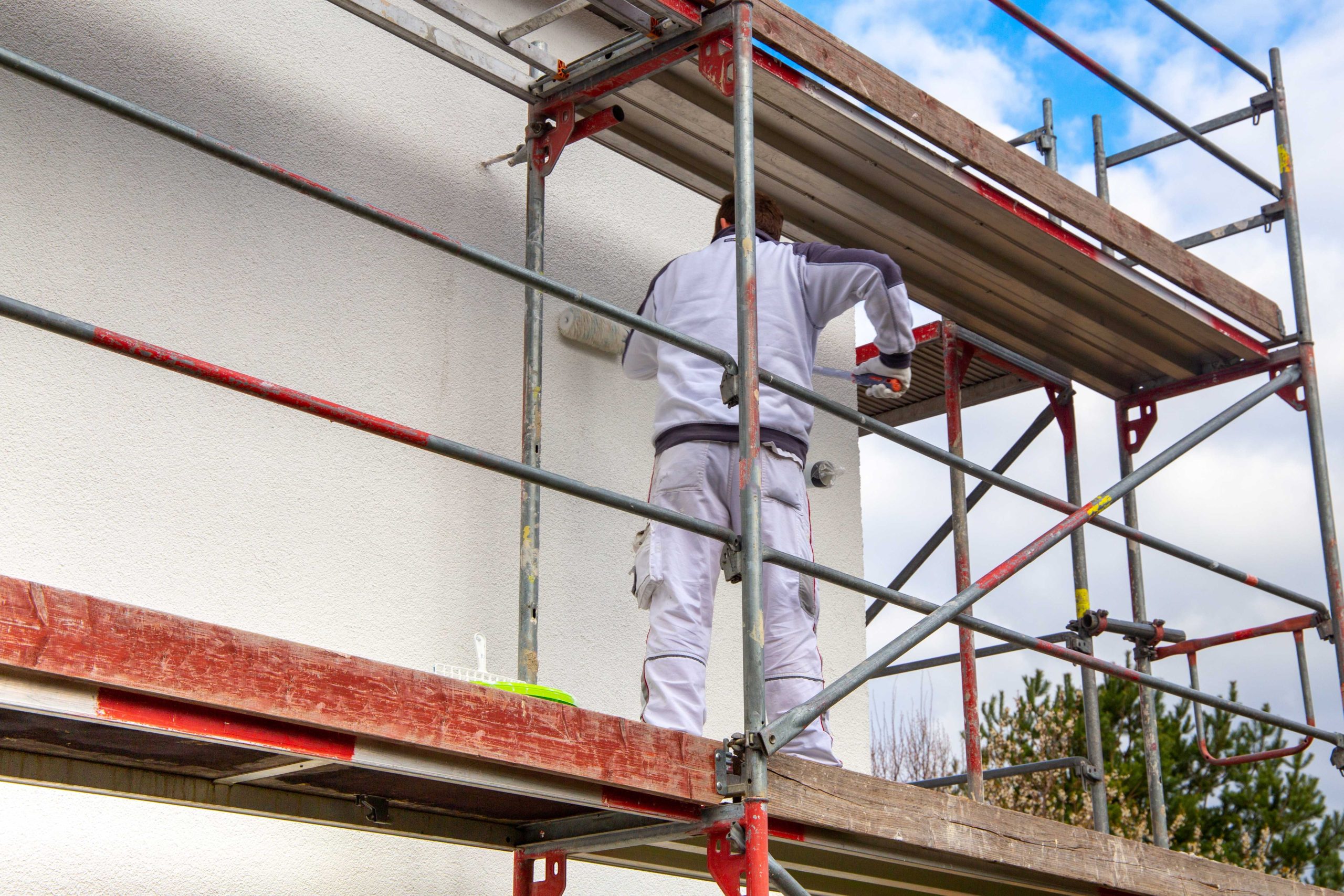
Professional painters know that the secret to lasting results is all in the preparation.
When to call a pro:
“Honestly? Before your partner tells you to,” he jokes.
“I’ve seen plenty of people try to DIY and make it worse. Painting takes time and the right tools — if you don’t have both, it’s better to bring in a tradie.”
He says this especially matters when selling a home:
“If you’re trying to get ready to go to market, painting and plastering yourself just adds stress. A pro can get it done faster and you’ll get a better finish for the sale.”
In a nutshell: what’s involved in a repaint
“First thing we do is protect everything — trees, decks, gardens, windows. It’s better to spend extra time covering up than cleaning up. Then we sand, fill, and prime, followed by two top coats of good paint. Old wooden windows always need more attention to make them tidy. And of course, clean up and leave everything as we found it.”
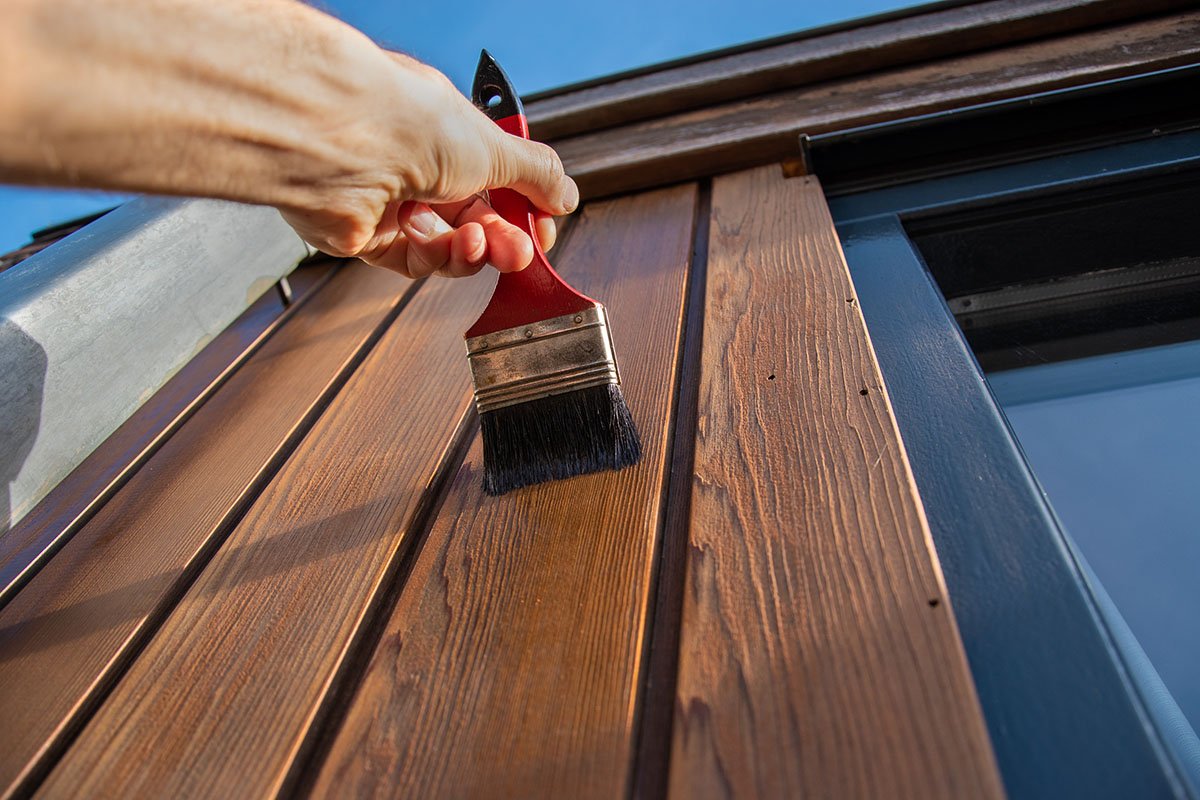
Regular maintenance and quality paint choices protect your home, and keep it looking fresh for years to come.
To wrap up
Peeling, bubbling and flaking might look alarming, but they’re also a chance to catch issues early on before they spread. Whether you patch it yourself or call in the pros, taking action now can protect your cladding, improve your home’s look, and keep maintenance costs down long-term.
If you’re unsure what’s causing the problem or just want it done for you, post your job on Builderscrack. You’ll get quick responses from professional painters who know how to tackle NZ’s unique climate and make your home shine again.
A big thank you to Shawn Thompson from Property Enhancement for sharing his insight.