Updated:
2.3.2026
F rom sunny weekend BBQs to light-filled living spaces that feel bigger and brighter, indoor-outdoor flow is one of those must-haves many Kiwi homeowners dream about.
It’s the magic that connects your home to the outdoors, improving lifestyle, light, and value all at once. And while it’s easy to think of it as a summer thing, great indoor-outdoor flow should work for you year-round.
You’ll hear it on every renovation show and from every designer, but what does indoor-outdoor flow actually mean, and how do you create it in your own home?
At its heart, it’s about removing barriers so moving between inside and out feels effortless. It’s not just about adding a slider or building a deck, it’s about designing your home so that inside and out feel like one connected, liveable space, all year round.
Done well, indoor-outdoor flow makes your home feel bigger, brighter, and better to live in every day. Here’s how to make that happen.
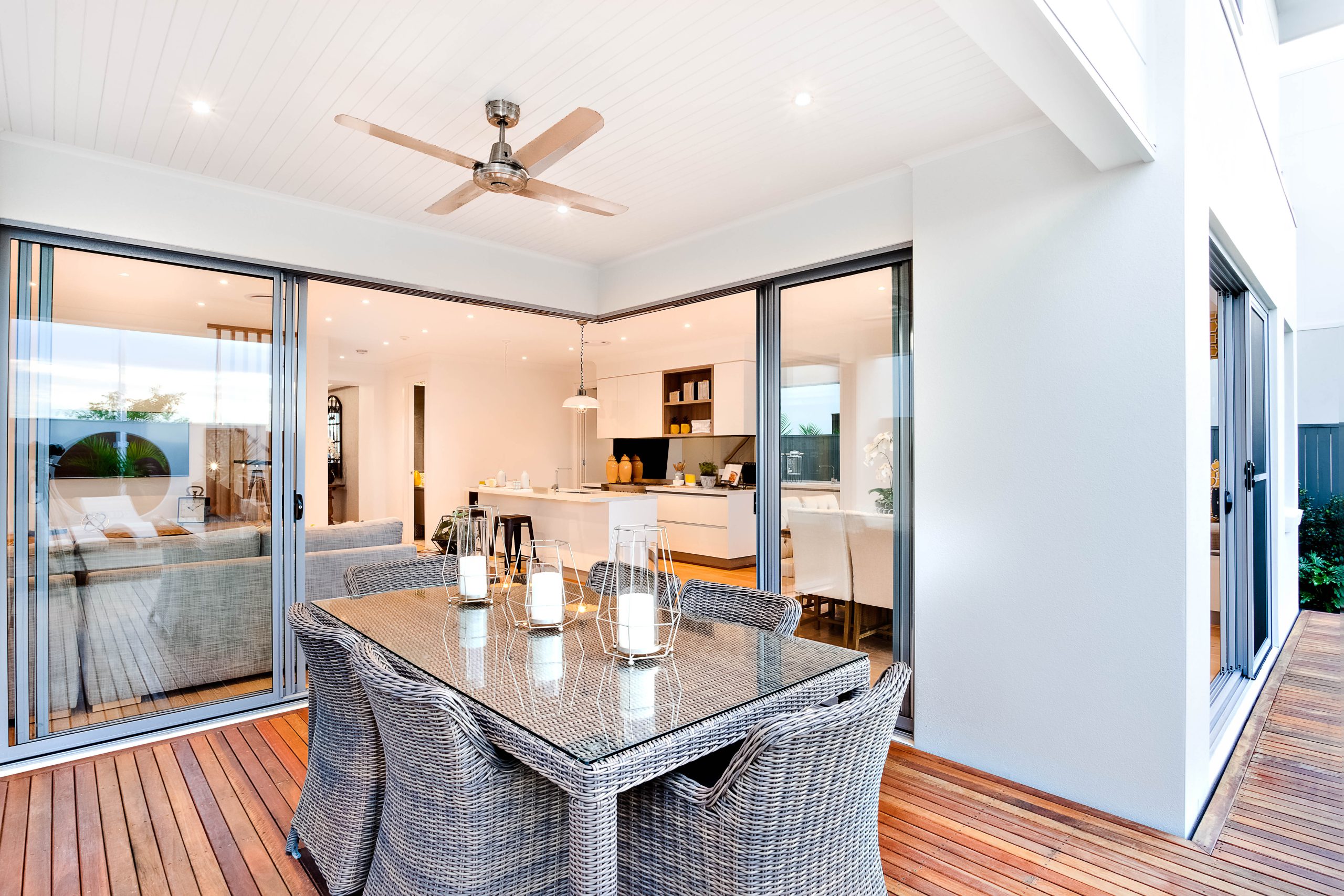
Indoor–outdoor flow makes your home feel bigger and brighter.
Opening up right: Doors & windows
The most immediate barrier between inside and out is usually the door, or lack of a good one.
Sliding and French doors are the most common retrofit door requests we see on Builderscrack. Sliding doors are cheaper and easy to source. French doors work beautifully in older homes, where maintaining character matters as much as opening up the space. More work may be needed when retrofitting a timber frame.
Bi-folds are great if they open out to a level deck and create a dramatic open-wall effect.
Ziggy from Zen Builders in Christchurch, who specialises in renovating older homes, flags one common catch when it comes to swapping windows for doors: “If you start going wider than the original opening, you’re getting into the structural envelope of the house, which requires a consent as you’re touching lintels and cladding.”
Don’t forget windows either. A kitchen window that becomes a servery-style slider to the deck means food, drinks, and conversation can flow without anyone getting stuck inside — and the cook finally gets to be part of the party.
If you’re replacing a window or door, always check with your local council on structural frame or weathertightness changes.
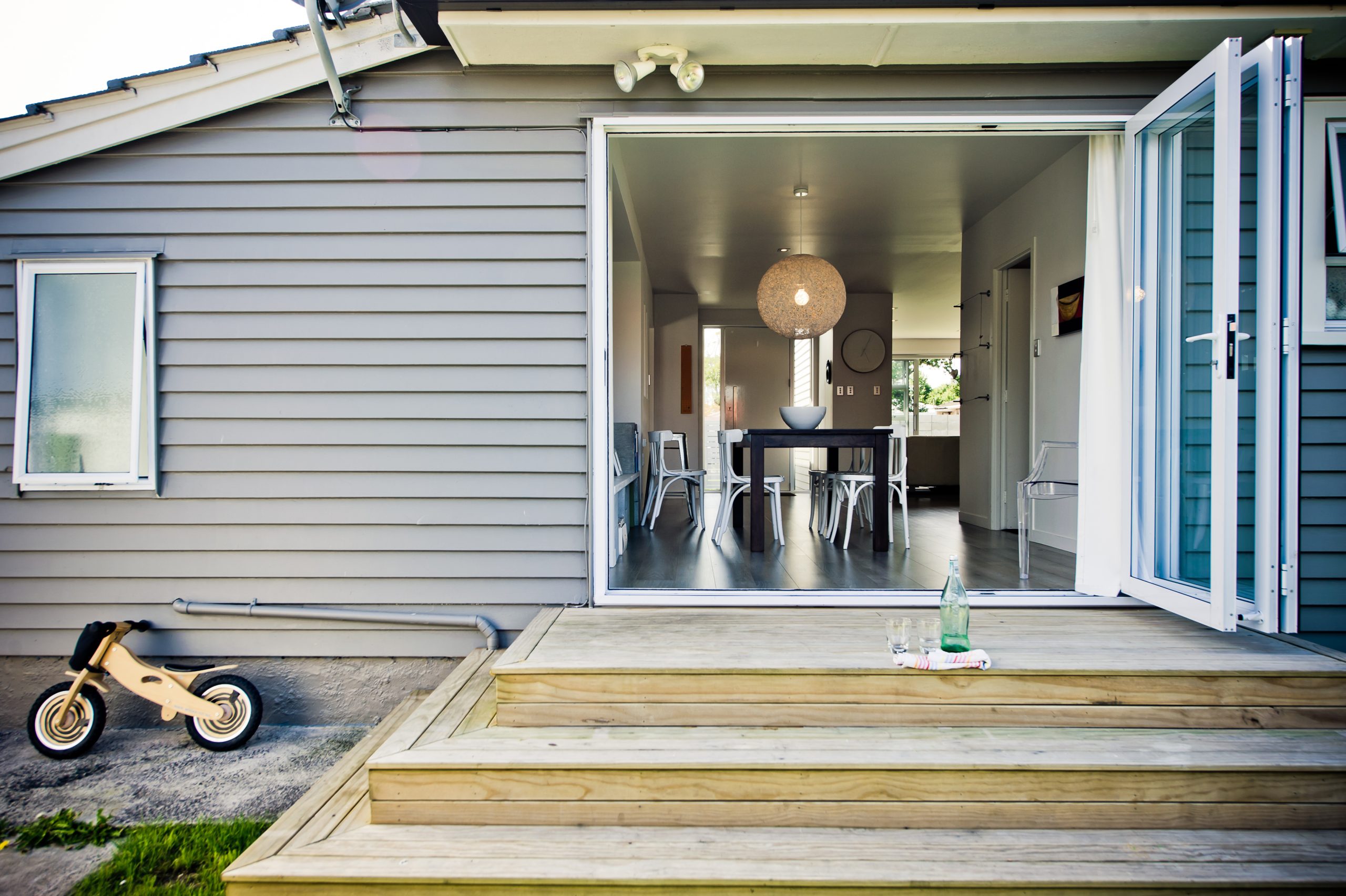
Doors and windows that open up the space.
The fix might be inside, not out
Sometimes it’s not just the door blocking your flow, it’s how your kitchen and living spaces are set up around it.
Removing a non-load bearing wall is one of the most common jobs we see on Builderscrack when homeowners are trying to open up space and face living areas toward the garden. It can turn a dark hallway and closed-off room into an airy open-plan space with a direct line to the backyard.
“Kitchen renos are one of the best places to start,” says Ziggy. “Older homes usually have weird island benches or separation between rooms, and you can usually alter these for a very minimal cost.”
Other changes worth looking at include moving an island bench blocking the path outside, shifting cabinets, or turning the dining table so it faces the garden instead of the oven.
A good stress test: Imagine weekend guests arriving, can everyone move easily from kitchen prep to outdoor drinks without getting stuck?
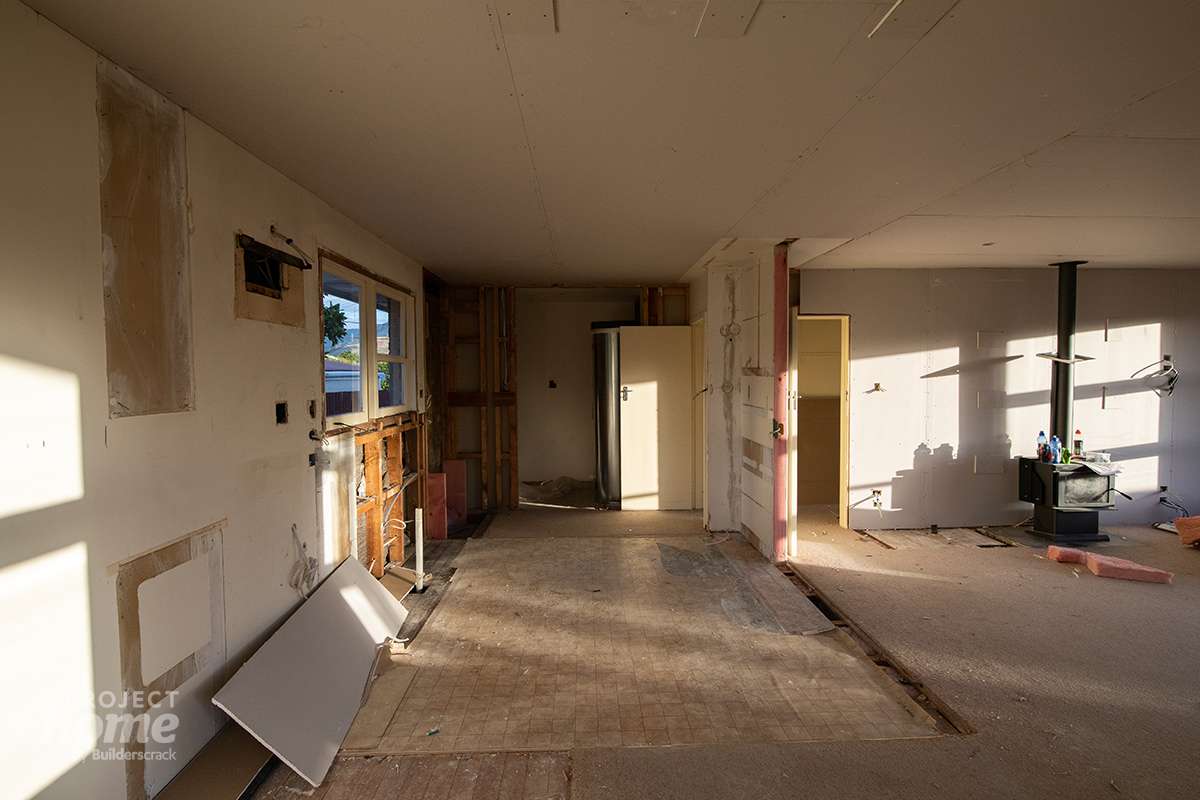
See how Jeremy and Alana improved their indoor-outdoor flow: Project Home
Build a space worth stepping into: Decks and patios
Getting people outside is only half the job. The outdoor area has to be worth stepping into.
Patios and decks are the most common upgrades Kiwis choose to make that transition zone feel like a proper outdoor room.
Patios (usually concrete or pavers) are typically cheaper upfront and almost maintenance-free. Because they often sit below floor level, they can break the visual and physical flow unless you plan drainage carefully and bring them up to height.
Decks naturally solve the level issue by aligning with your interior floor, which makes stepping outside feel like a continuation of the same space. Timber gives warmth and a natural look but needs regular care. Composite decking costs more at the start, but offers predictable performance and low maintenance, though it can heat up a lot in strong sun.
Before you build, ask: can this area comfortably fit an outdoor table and chairs, or at least a cosy two-seater and coffee table? If not, you may need to rethink the size or layout so it actually gets used.
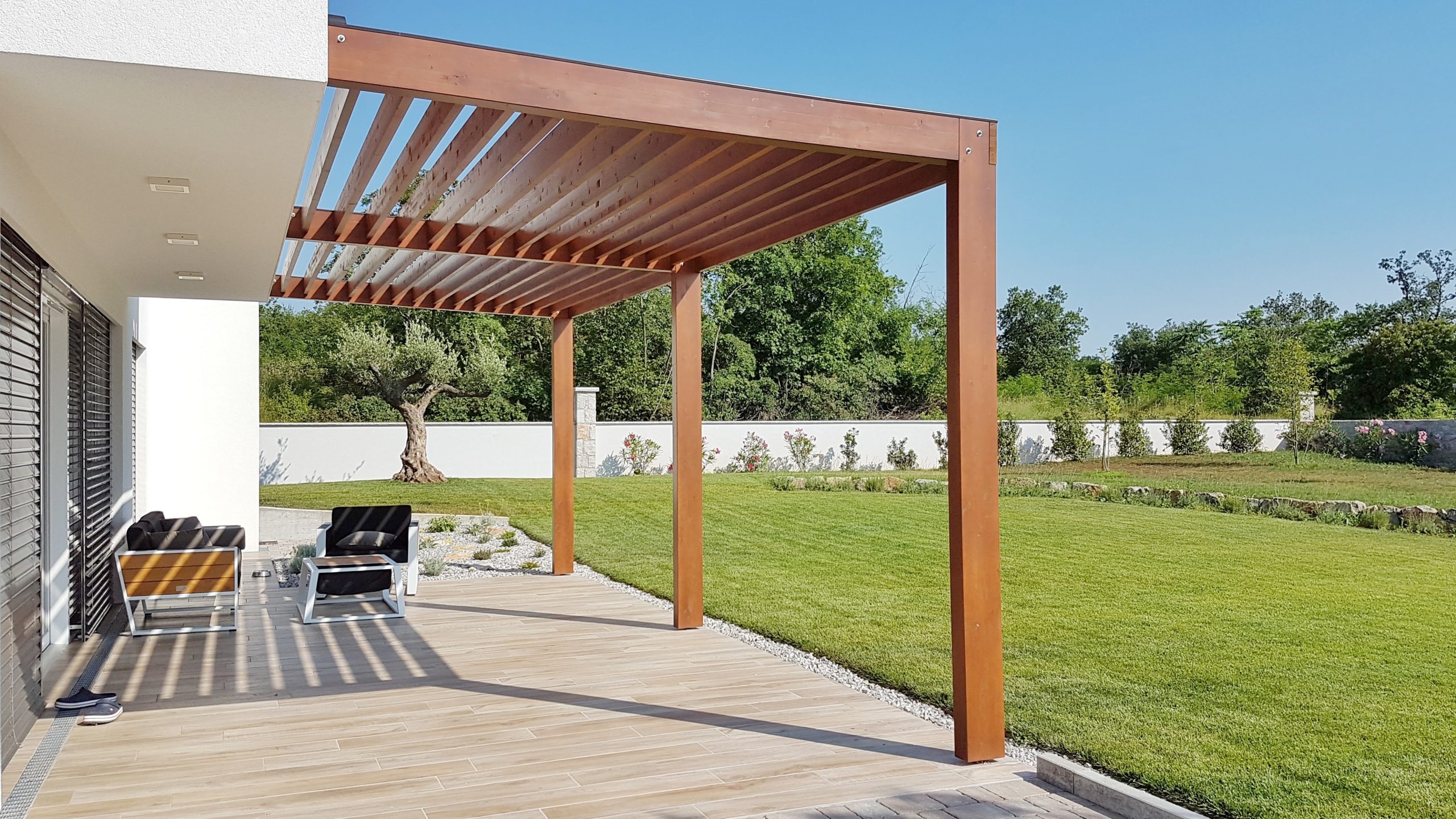
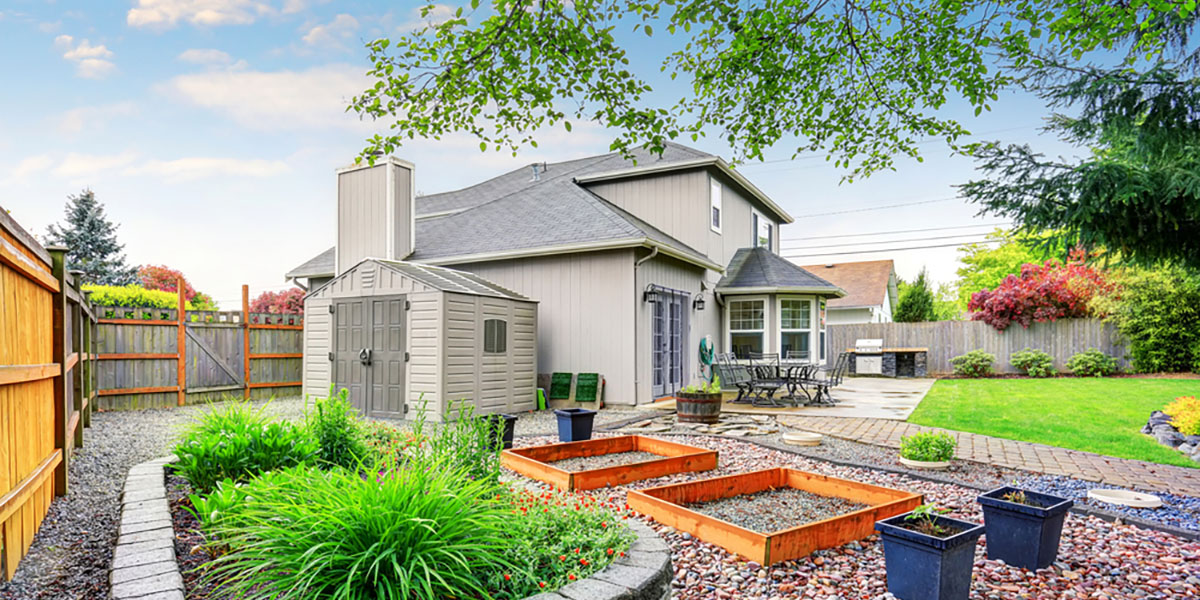
An outdoor space that feels like part of the house.
Choose the right cover: Shade, shelter and weather protection
Good shelter is what takes an outdoor area from occasional use to year-round enjoyment.
Shade sails are an affordable way to get UV protection and define a space. In many situations, smaller sails don’t need consent if they’re under certain sizes and offsets, but you always need to check with your local council before you install anything permanent.
Freestanding pergolas win for simplicity, add structure and can frame an outdoor room without messing with your guttering. On their own, they’re mostly about looks, but add a roof material, and they become a veranda, with different consent requirements depending on size and design.
“If wind is your main problem, Ziggy has a lesser-known fix worth considering: “A wing wall is a bit of framing that steps out from the exterior to help block wind; it’s good bang-for-buck.”
Louvre roofs are the high-flexibility option. Adjustable slats let you control light and airflow, and close fully for rain. Combine with blinds and heating, and you’ve got an outdoor living space that genuinely works in most weather.
For coastal or hilltop homes, always check your wind zone and product ratings before you commit to a design so it stands up to local conditions.
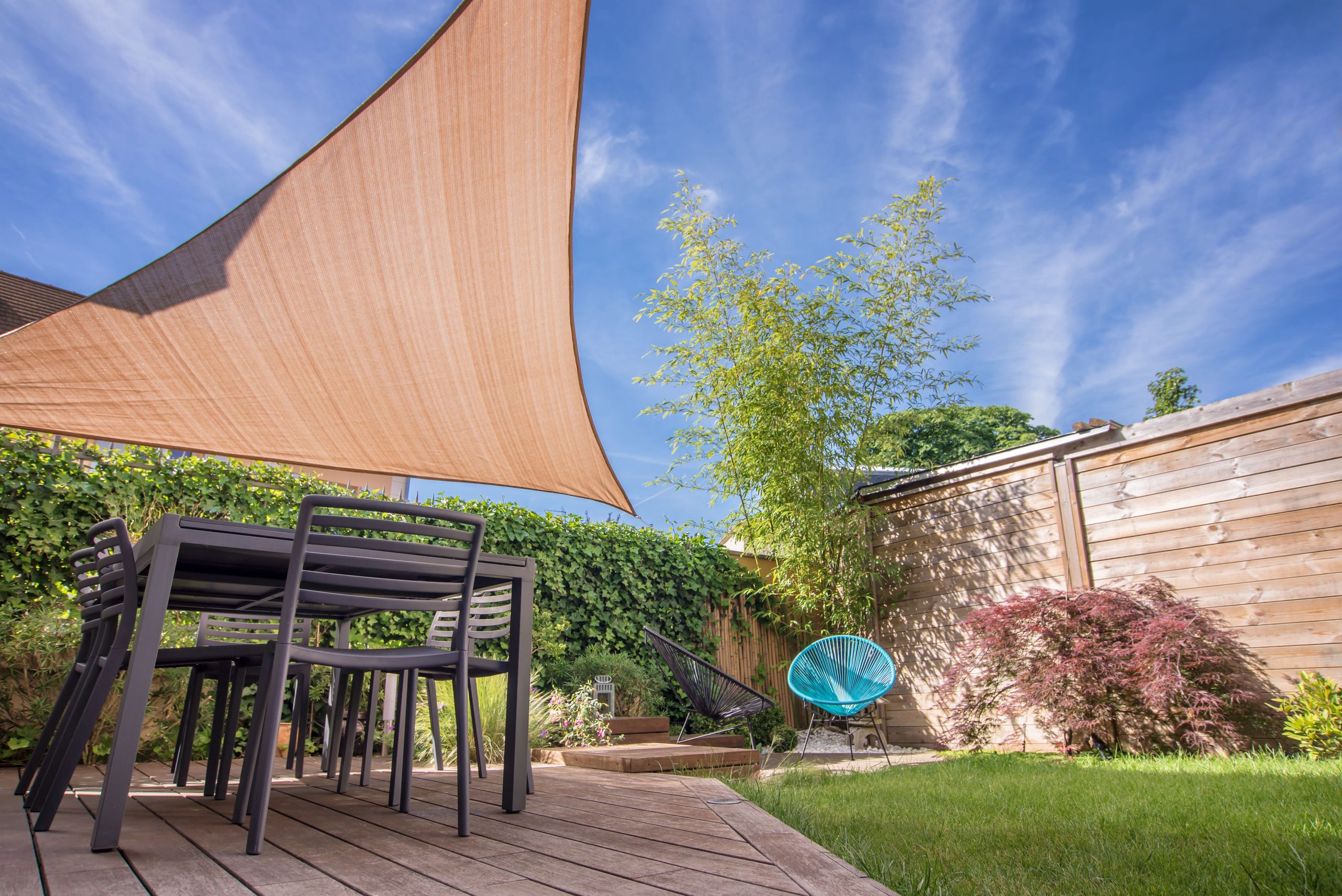
The right cover for year-round comfort.
Make it work all year, not just in summer
The most common mistake is designing for a perfect summer’s day, then watching the space sit empty all winter. The fix is layering comfort so your outdoor area actually earns its keep in winter too.
Heating is the biggest game-changer. A well-positioned patio heater, or a wall-mounted infrared or electric heater under a covered area, can extend how often you use the space by months.
Shelter from rain keeps the space usable on wet days and traps warmth if you’re running a heater underneath. A covered pergola, veranda or louvre roof with outdoor roller blinds can turn a deck into a genuine outdoor room.
Orientation matters too. If you have a choice of where to build out, a north-facing spot that catches winter sun will always be more inviting on cold days in most New Zealand locations.
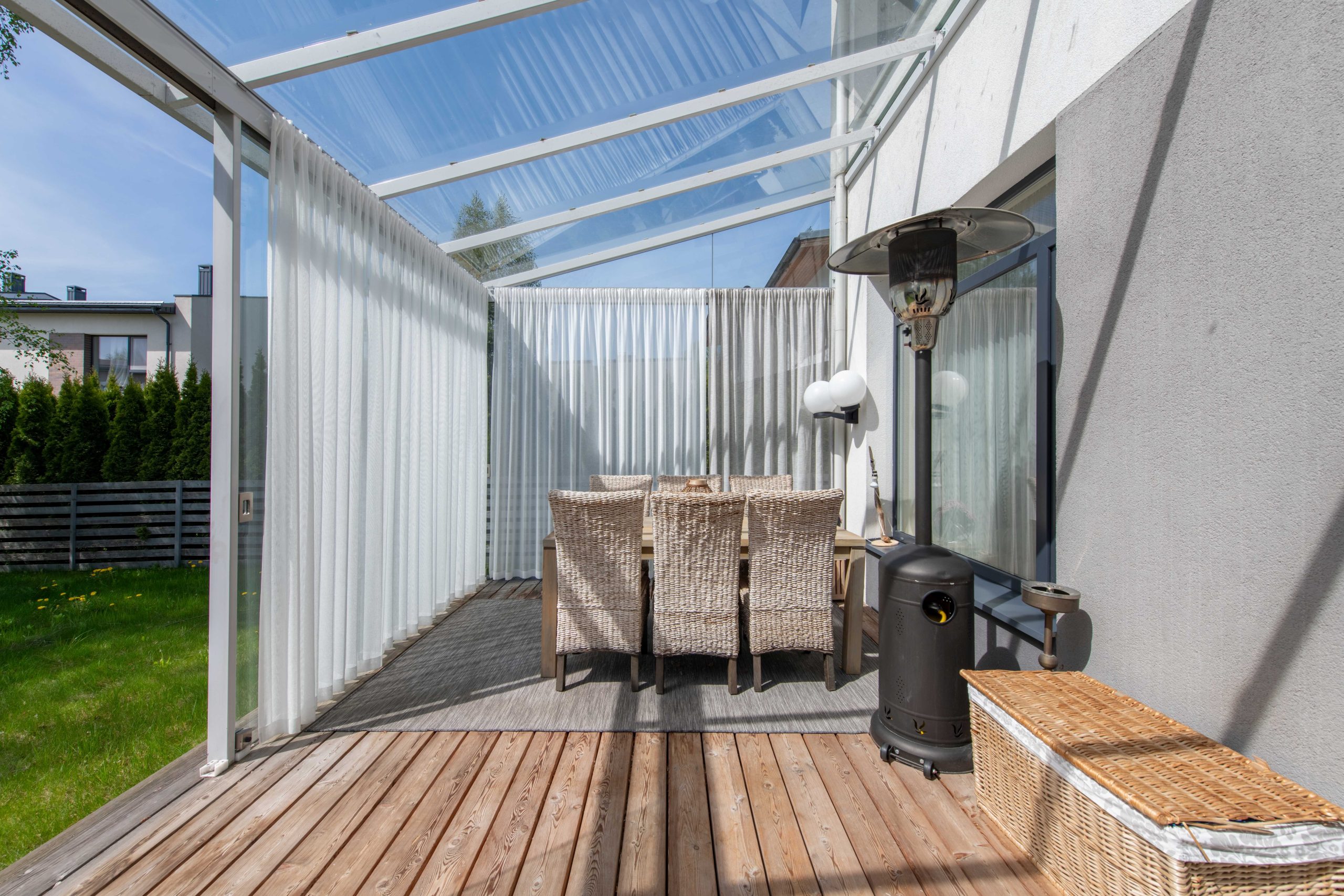
Built for more than just summer.
Tie it all together: Thresholds & finishing details
Seamless flow comes down to the small details, especially right at the transition point and how the spaces visually connect.
This is why it’s important not to overlook the threshold. A step down, chunky door track, or high sill can interrupt that “one continuous space” feeling, even when everything else is right. Go for flush or near-flush levels with low-profile tracks and recessed drainage that keeps water out without breaking the line.
“Choosing light paint colours and having similar flooring inside and out can help blur the line between the two spaces,” Ziggy says.
A couple more finishing touches that quietly do a lot of work: timber boards running in the same direction inside and out, full-length drapes that frame the doorway, a big indoor plant by the doorway, and deck step lights or string lighting that make the space feel just as inviting after dark.
These don’t require a big renovation — just thoughtful choices that make everything feel connected.
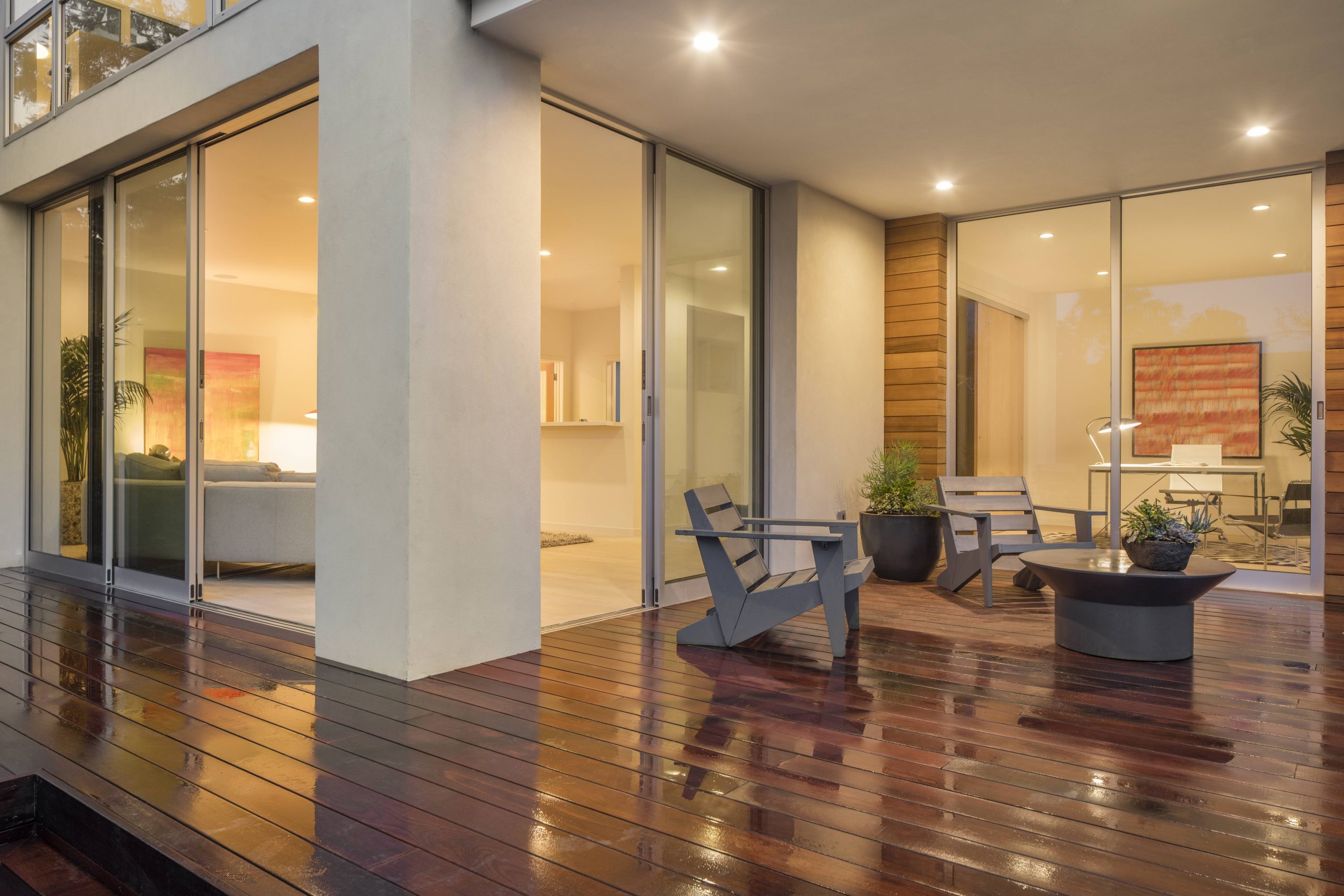
It’s the finishing touches that pull it together.
Where to start
Good indoor-outdoor flow isn’t about a single magic fix, it’s a combination of thoughtful details that make inside and out feel like one bigger, brighter home.
If you’re not sure where to begin, ask yourself: where does the connection feel most frustrating right now? Walk from your kitchen to outdoors — where’s the bottleneck? Would you actually sit and use this area in winter?
If you’re still figuring out budget, our cost estimator is a good place to start.
Once you know what you want to tackle, post your job on Builderscrack to get connected with a builder or any other tradies you might need. You’ll get quick responses from professionals who know how to bring your vision to life.
A big thank you to Ziggy from Zen Builders in Christchurch for sharing his expertise.