Updated:
26.6.2026
Darker mornings, wetter days, frosts setting in, winter always seems to come around fast. The leaves have fallen, water pools in the driveway, the doorstep’s slippery on the way out, and there’s a muddy trail where the drainage isn’t coping.
Your outdoor spaces take the biggest hit over winter, and they’re often the first place neglect shows up. Get on top of these problems early and you’re less likely to be calling a tradie in an emergency mid-winter.
Here are seven outdoor areas worth checking now winter’s here, what to look for, and who to call if something needs sorting.
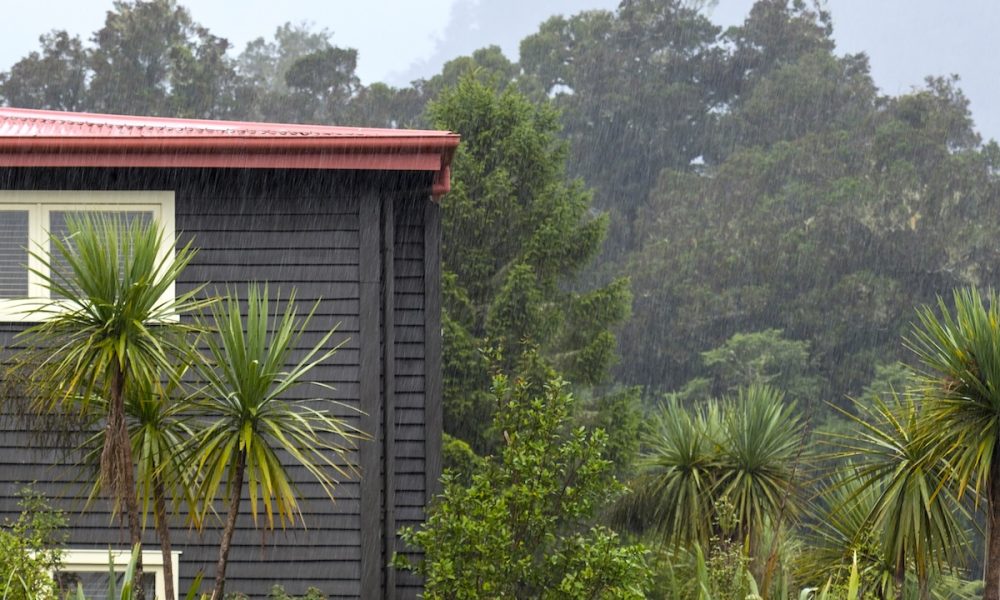
We’ve broken down seven outdoor areas worth checking to keep your home and garden in good shape through winter.
Prepare your garden beds before the ground gets too wet
Walk your garden and think honestly about whether what’s planted can handle winter without much attention. Frost-sensitive plants in exposed spots are the obvious ones to move or protect. But the less obvious problem is what’s sitting directly against your house: dense planting up against timber or painted cladding holds moisture and creates the conditions for rot to get started long before you’d see it inside.
Position matters as much as plant choice, particularly in exposed areas. Paul Motley of Supreme Services, a North Canterbury-based landscaper with over 25 years in the trade, puts it simply: “We look for orientations where plants are going to do better, protected from those prevailing conditions.” That’s as relevant for a Canterbury home in a nor’wester as it is for a Wellington garden facing south.
For replanting, Paul recommends plants that are reliably hardy through a NZ winter and give something back; grevilleas and leucadendrons flower and attract birds, camellias and magnolias handle most soil types and keep going year after year, and photinia (commonly known as Red Robin) works well as a border, hedge, or standalone tree.
“People are looking for interest, they’re looking for value for money, they don’t want to put something in that’s going to be dead five minutes later,” Paul says.
Soil type is worth considering too. In sandy coastal areas, natives tend to cope best. Elsewhere, a landscaper can advise on whether bringing in additional soil would help get new plantings off to a better start.
Not sure where to start with what to plant? Paul’s advice is straightforward: “Have you seen something you like down the street? Take a photo and come back to me with that.”
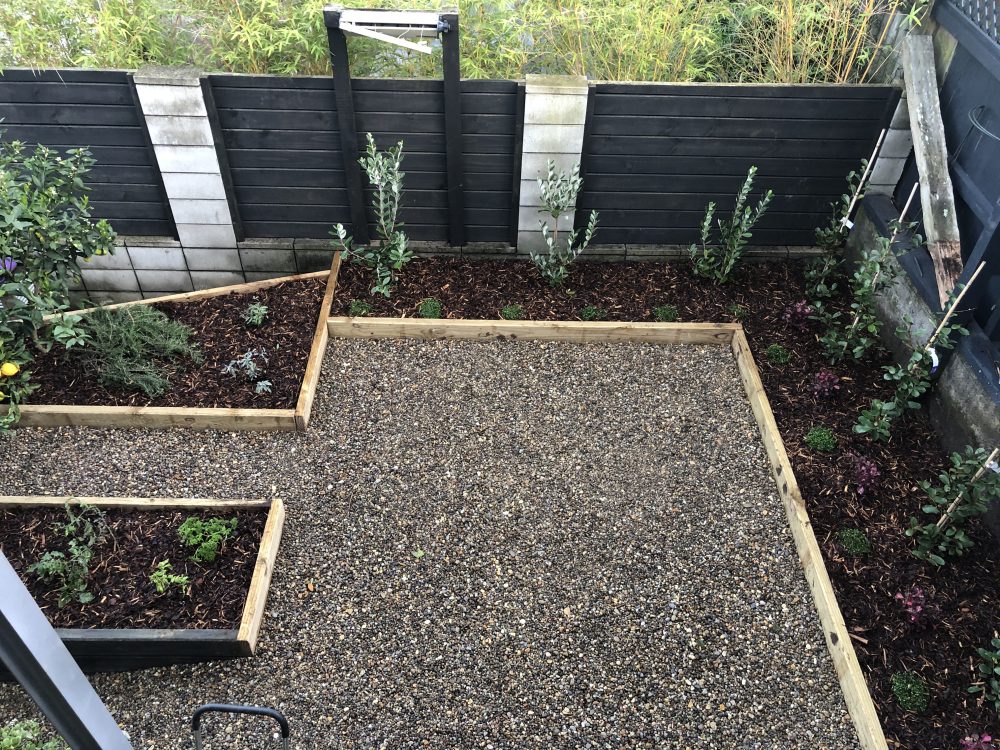
Position and plant choice both matter when it comes to getting garden beds through winter. See how Chris and Rochelle transformed this small Auckland space.
Fix drainage before the heavy rain arrives
Walk around your yard after rain and watch where the water moves. Low spots that pool persistently aren’t a minor inconvenience; they’re the early sign of foundation movement, subfloor moisture, and repair bills that would dwarf what a drainage fix would cost. Check your surface and channel drains for debris first. If your home has a subfloor space, check that drainage around the base of the building is directing water away from the foundation, not towards it.
If water keeps collecting in the same spot, get someone to assess it sooner rather than later.
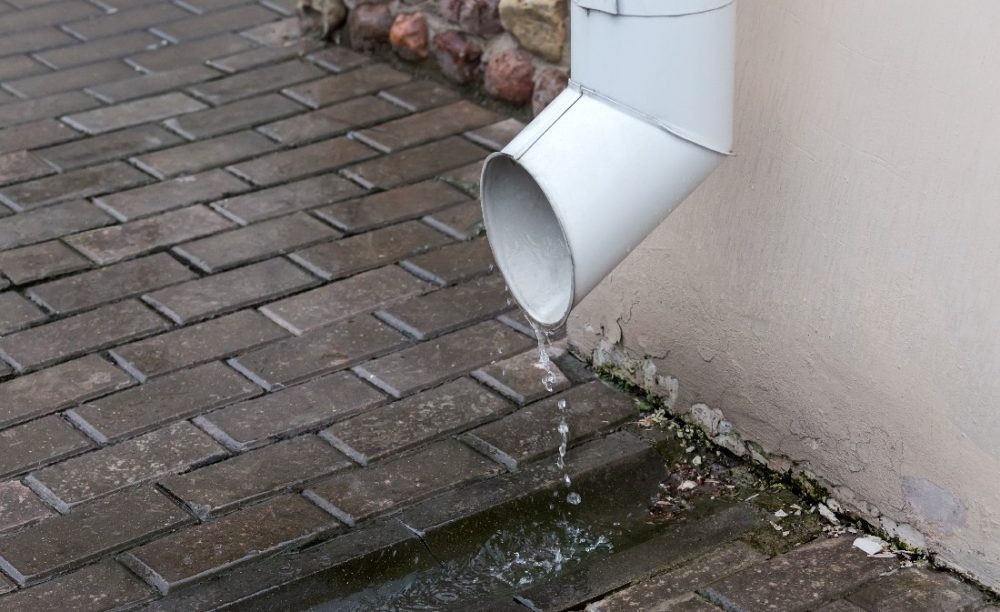
Fix drainage before the next downpour.
Check your retaining walls and fences for early signs of failure
Timber retaining walls give you signals before they fail: rot, leaning, or bulging. These indicate either structural fatigue or failed drainage behind the wall, both of which get worse through a wet winter when the ground is saturated and storms add pressure.
Walk your fences too. Loose posts, broken palings, and rot where timber meets soil are all straightforward to deal with now.
A retaining wall over 1.5m is a different proposition. If it needs substantial reconstruction, that’s likely to require a Licensed Building Practitioner (LBP) and may need council consent.
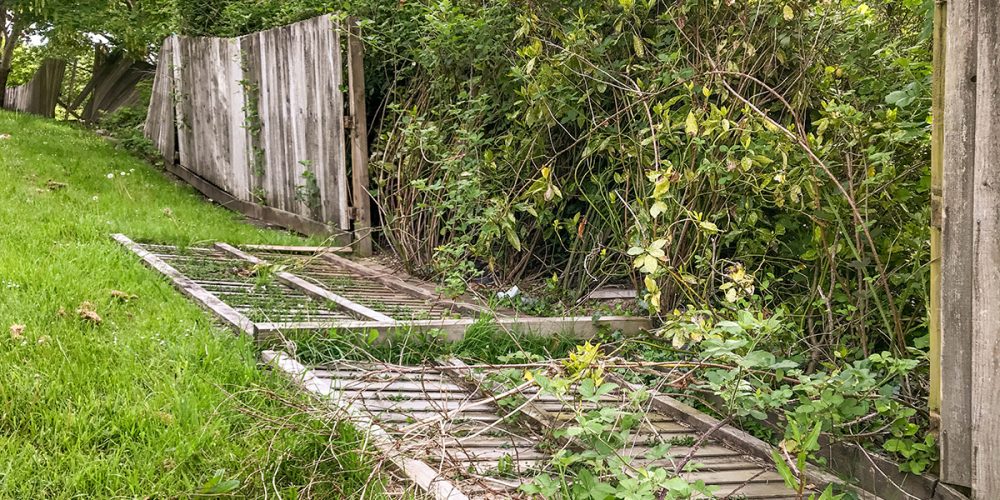
A fence showing signs of failure is straightforward to deal with now; left through another winter, it’s a bigger job.
Walk your paths and patio before they get slippery
Look for cracks, uneven sections, and surfaces that don’t drain well. Cracks that feel minor in summer become slip hazards when they’re wet. A patio that pools water pools it directly against your home, which feeds straight back into the drainage problem above.
It’s also worth thinking about what these surfaces are like to actually use through the colder months. Damaged or slippery outdoor areas make it easier to just stay inside, which means you get less from your outdoor space throughout the cooler months.
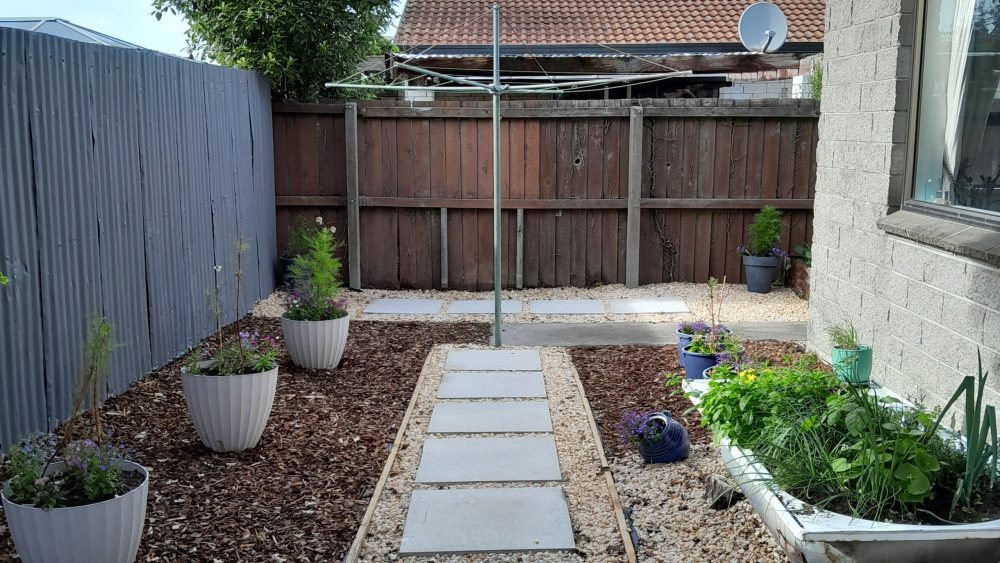
A well-laid path stays safe and usable through winter, not just in summer. See how paving transformed this Christchurch outdoor space.
Deal with overhanging branches before the storms do it for you
Dead or overhanging branches are one of those winter hazards that feels unlikely until it happens. Falling branches in high winds cause real damage to roofs, fences and cars, and it’s preventable.
Beyond storm risk, trees on the south-facing side of your home block light and airflow, which drives dampness inside through the winter months. And heavy leaf drop from trees close to the house means gutter blockages, which can cause water to back up against your fascia and cladding.
For anything large, near power lines, or out of safe reach, you need an arborist. This isn’t the place to manage risk yourself.
Check your outdoor lighting before the short days set in
Walk the property at dusk: look at the entrance, the driveway, the path from the gate, the steps. If any of those are poorly lit heading into the months when the sun is down before dinner, it’s worth sorting now.
Poor outdoor lighting is a safety issue, and slips on steps and uneven paths are more likely when visibility is low. It’s also one of those small things that affects how your home feels to come home to, every evening until September.

Good outdoor lighting makes a difference to how safe and welcoming your home feels through the darker months.
Give your sheds, carports and pergolas a once-over
These structures sit outside the main living space, which makes them easy to overlook until something fails. Check the roof for rust, holes or lifted sheets. Look at timber for rot and paint deterioration, particularly where it meets the ground. Test bolts, brackets and foundations for movement, and check doors and latches, these often fail slowly until they become a problem at the wrong moment.
A leaking shed roof damages whatever’s stored inside. Rotting timber in a carport or pergola becomes a structural issue. Loose roofing in high winds is a hazard. None of these are expensive to deal with now.
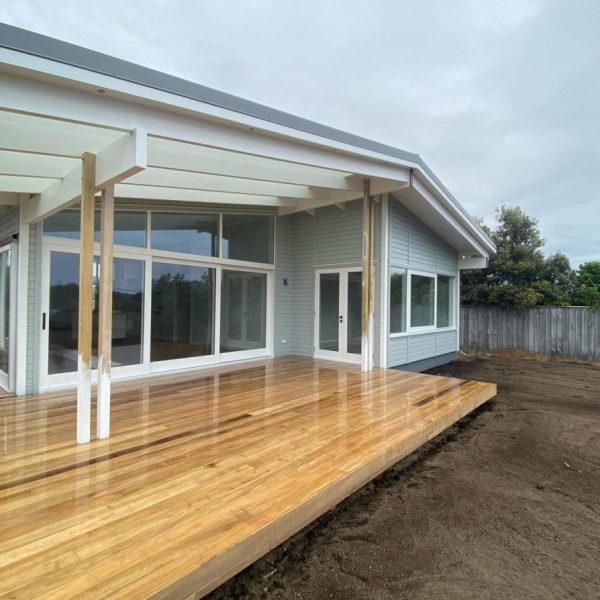
A deck or pergola that’s been ignored through winter can go from a maintenance job to a structural one fast.
What we’re seeing on BC
Outdoor living is the top home improvement priority for Kiwi homeowners in 2026, ahead of kitchens, bathrooms and interior renovations. On BC, outdoor jobs across landscaping, fencing, drainage, decking, retaining walls and outdoor lighting are up heading into the cooler months. Most of them are maintenance jobs, the kind that cost a fraction of what they’d cost to fix in an emergency.
If you’ve spotted something worth sorting, post your job on Builderscrack and we’ll connect you with a verified tradie in your area. Not sure what you’re dealing with yet? The cost estimator is a good place to start.