

Updated:
24.11.2026
For a lot of homeowners, a bathroom retile throws up a list of questions long before anyone picks up a trowel.
Does this need consent? Can we go over the tiles that are already there? Why has the grout in the shower gone black? These are the ones nobody wants to pay a call-out fee to ask, so they end up in a search bar.
We sat down with Edward from SecoStyle Tiling in Christchurch, who has been in the trade for 20 years, to ask him seven common questions about tiling and what he sees in the field.
These are his answers.
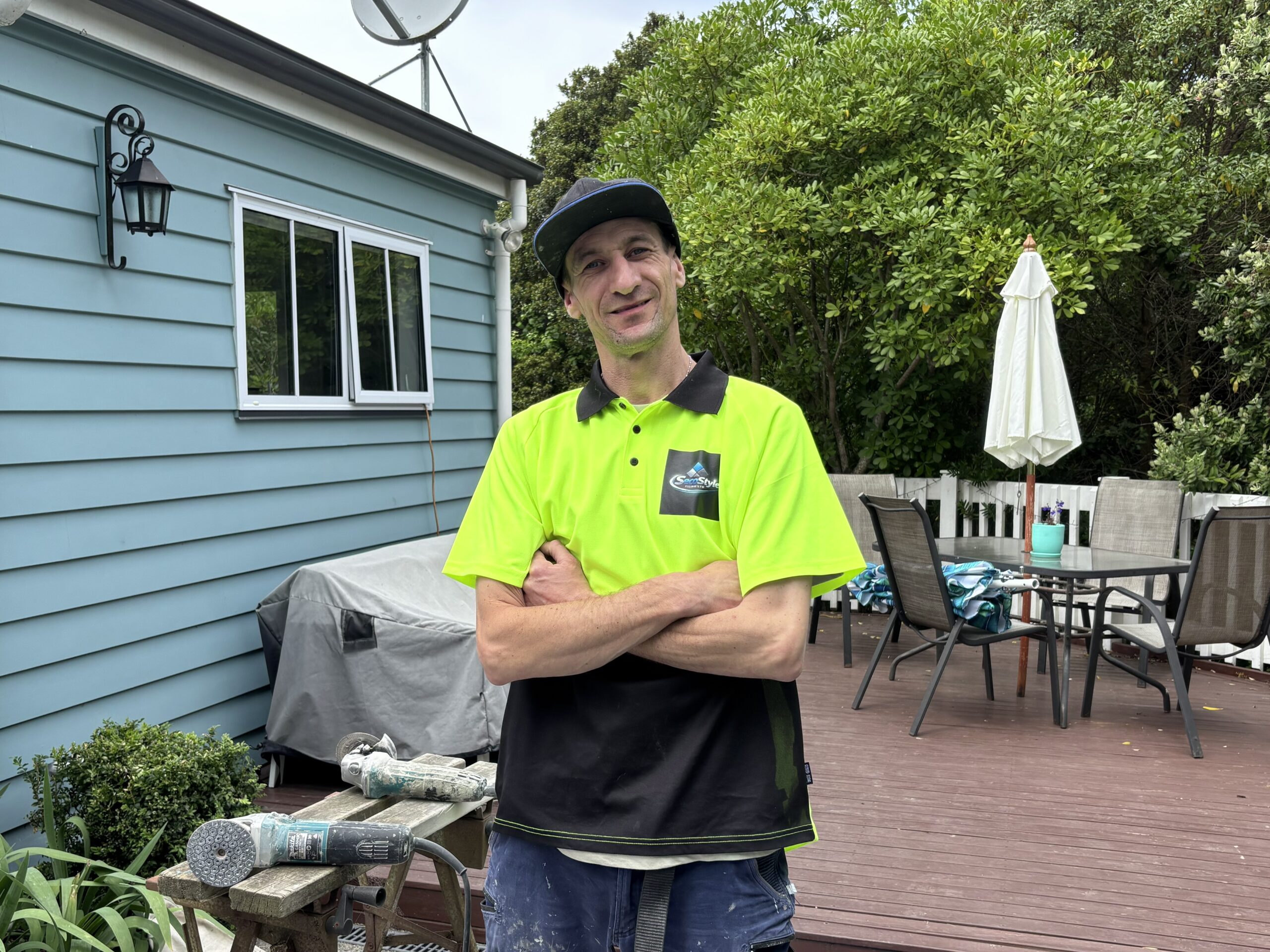
We sat down with Edward from SecoStyle Tiling, who shared his thoughts on common tiling questions
1. Does a bathroom retile need a consent?
According to Edward, building consent generally isn’t required unless the work involves modifications, such as relocating plumbing or changing interior walls.
“If you don’t have any modification, you don’t need a consent,” Edward says.
Lifting the old floor tiles, redoing the waterproofing and tiling back over the same layout leaves the room as it was.
Moving the shower or taking out a wall is a different job with a different answer.
“But you always check with the council first,” Edward adds.
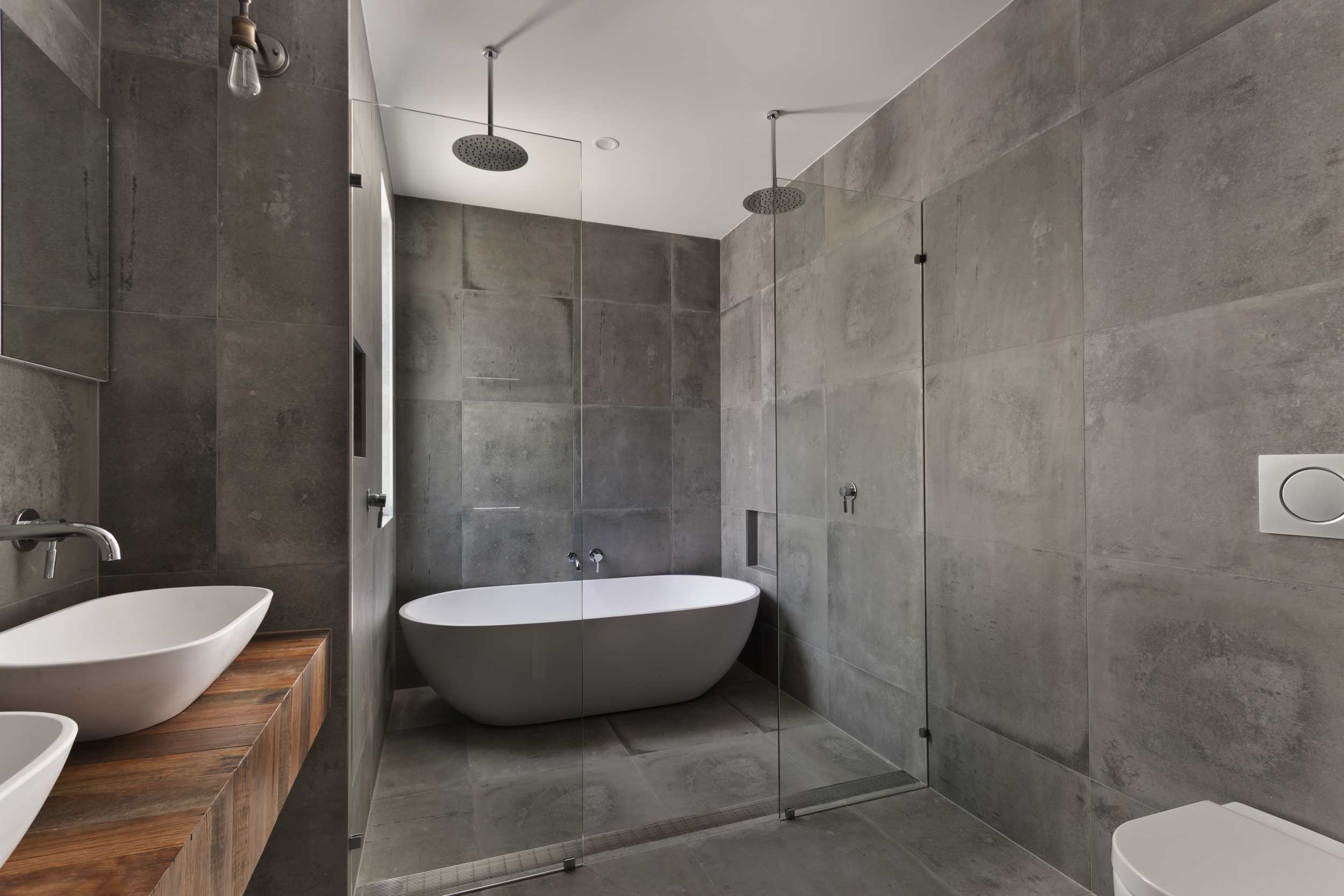
A like-for-like retile is a different project scope from moving the plumbing.
2. Is under-tile heating worth it?
Edward rates it for winter and for value.
“Under-tile heating is worth it. It increases the value of your property,” Edward explains.
He makes a case for comfort as much as value, and rates what it does on a winter morning.
“In the winter, especially in the bathroom, it’s very comfortable,” Edward states.

Winter mornings are when a heated bathroom floor earns its keep.
3. Can you tile your own splashback?
We asked how difficult tiling is on a scale of one to ten, Edward rates it a five for beginners.
“It depends if you have the tools and confidence, but it’s not easy the first time,” Edward states.
“Sometimes people say it’s easy to tile by looking, but you can make a mistake, and you need to break everything the next day.”
Edward has been called into DIY attempts halfway through, when things have gone wrong.
“People try to do [it themselves] and then in the middle of the job decide to hire a trade,” Edward reckons. “DIY is not always easy and cheap, so you’d better hire a good tradie from the start.”
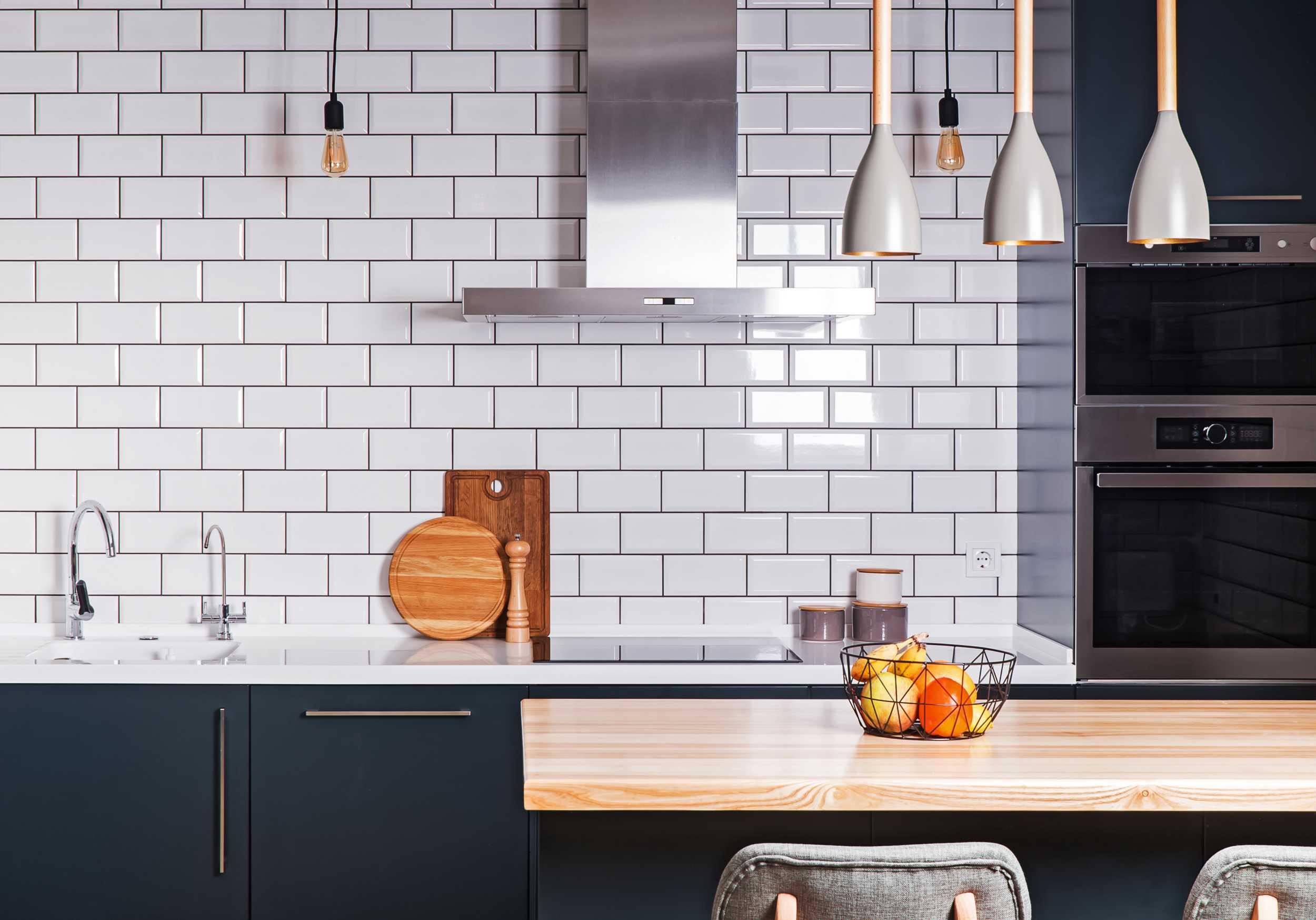
A splashback is small, visible, and unforgiving of a crooked line.
4. Can you tile over old tiles?
Edward says yes, but there are two steps to take first.
“Yes, you can. You need to grind the face off the old tiles and have a special primer to grip. Put it on and then the next day you can tile,” Edward explains.
Edward says preparation typically takes a full day before a single new tile goes down. That’s the part people overlook when they imagine tiling over existing tiles as a shortcut.
“A lot of people think it’s just a tile, but the preparation is crucial. A good preparation makes better tiling,” Edward adds.
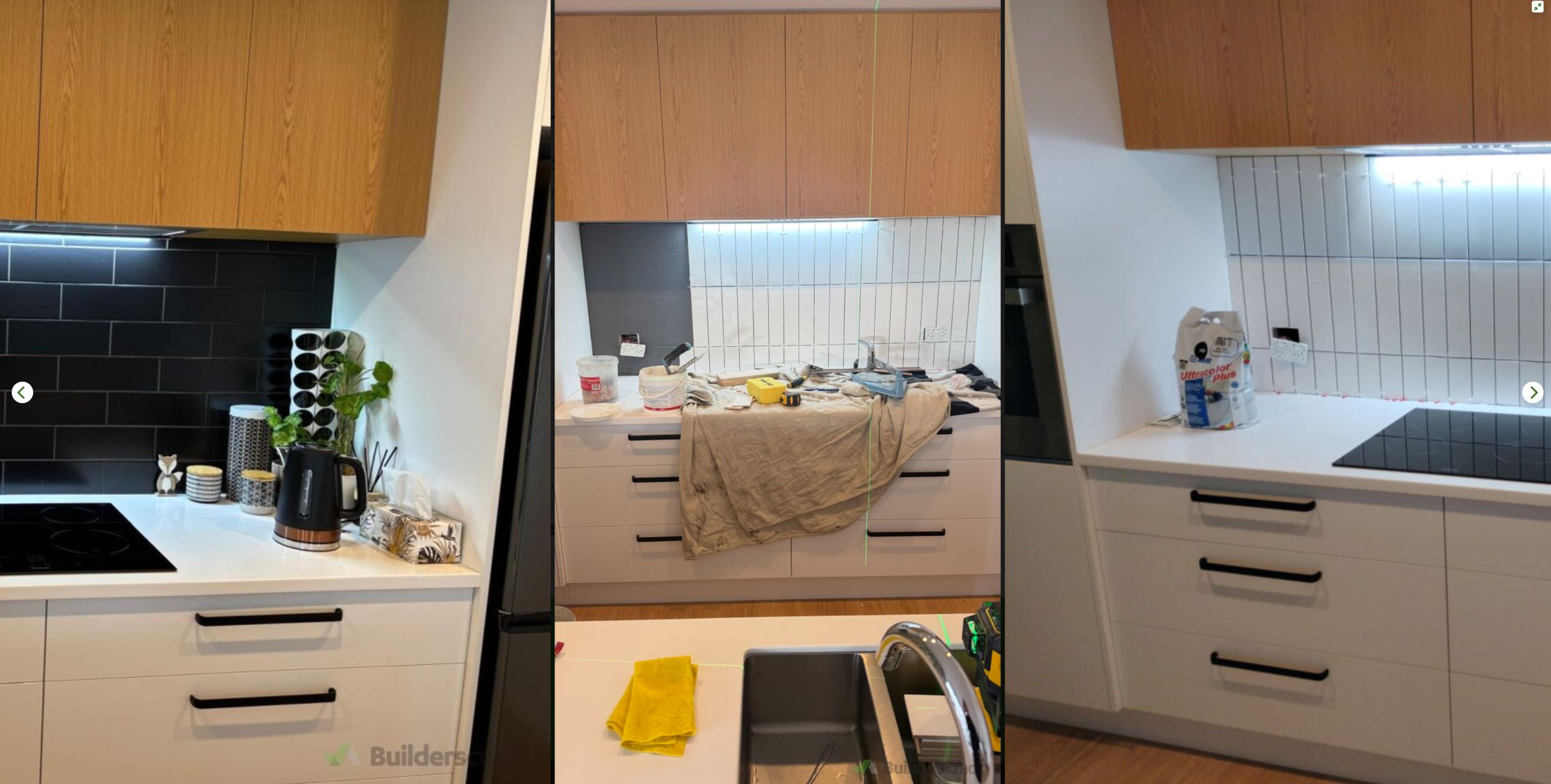
Tiling over old tiles still costs you a day of prep. | Source: SecoStyle BC Profile
5. Why is the grout cracking and going mouldy?
Edward says mould usually comes down to age and poor cleaning.
“You need to try to clean regularly.
But when it’s cracking, it’s the substrate,” Edward points out.
“You need to do further checks. Sometimes you need to lift the whole tile and check the substrate for any movement.”
Mould is a maintenance issue, and it can usually be cleaned off. Cracking is a different story: it can point to a bigger problem.
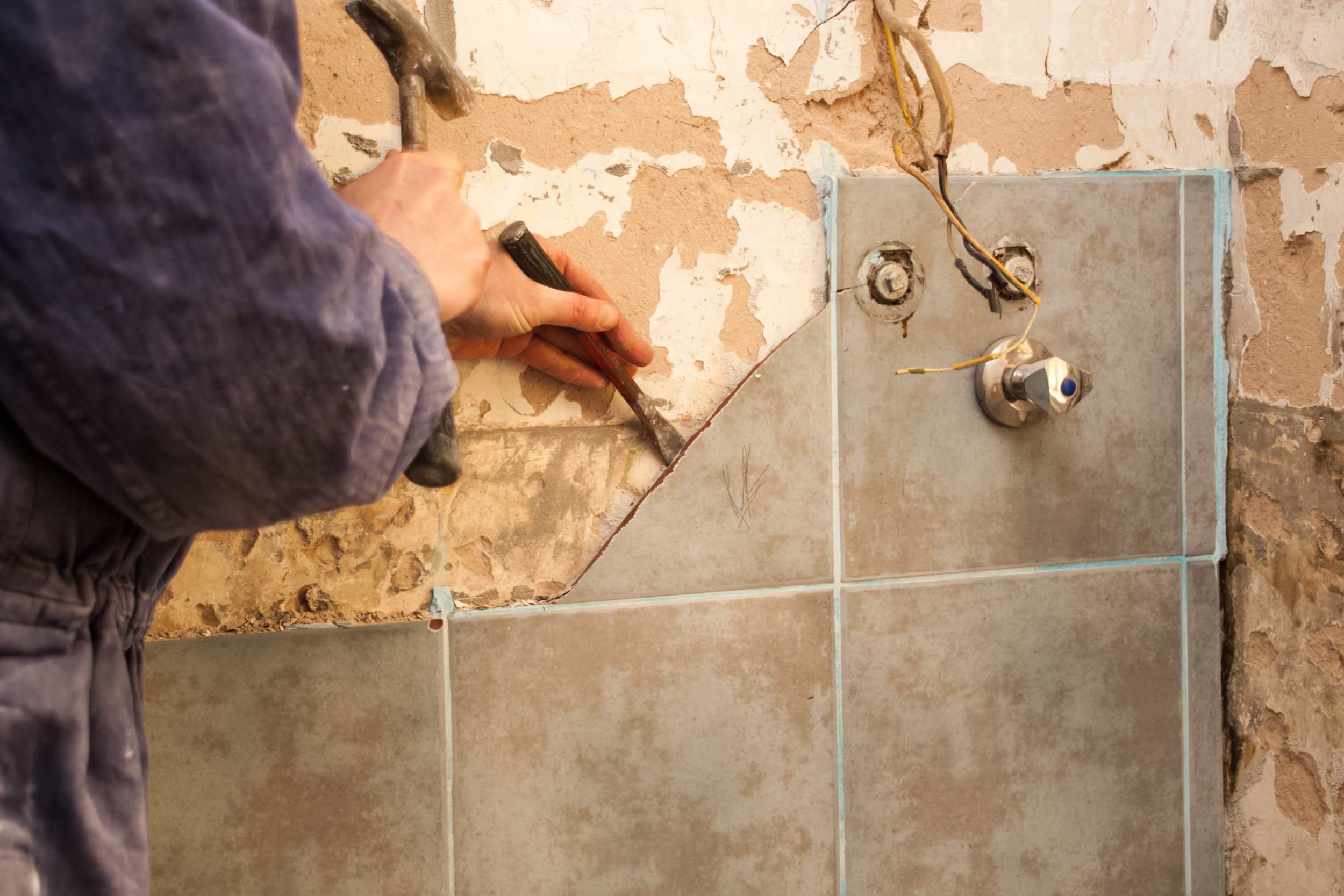
Mould wipes off. A crack is telling you something underneath moved.
6. How do you choose a grout colour or tile type?
Edward puts it back to the homeowners.
“That’s a very personal preference. You need to get the grout chart and choose your colour if you want to match or if you want a feature,” Edward says.
“I can give tips, but each person has their own preference.”
Where Edward does have an opinion is tile size, and it all comes back to grout.
“Personally, I like big tiles in a large format,” Edward admits. “[I] think it creates fewer joints of grout and is cleaner and creates very good art in your bathroom or kitchen.”
His own house is tiled in large format, either 1.2 by 1.2 metres or 900 by 900 mm. Fewer joints means less grout colour to match.

A grout chart against your actual tile beats guessing off a screen.
7. How many tiles should you order?
Tiling is quoted and ordered by the square metre, and Edward adds to that figure every time.
“We always need to count 10 to 20% additional [to the project area] depending on the size of the tile,” Edward says.
His reasons are practical ones: a tile can arrive damaged in the box, or a cut can go wrong on the day.
The bigger reason is what happens if you run short later.
“Especially when you don’t find the same tile in the shops, and it ends up more costly to get the same one,” Edward explains.
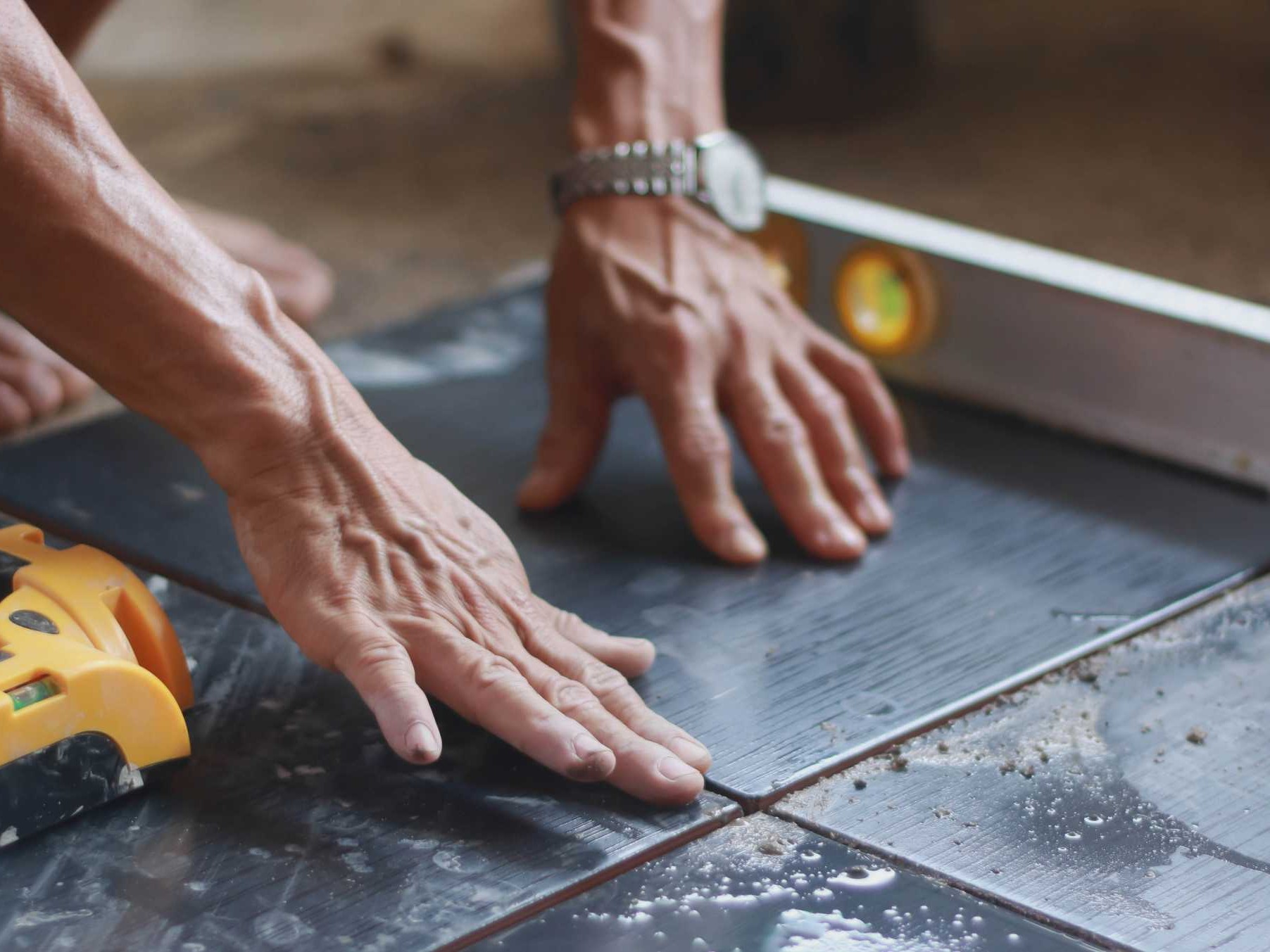
The spare box could cost less than matching a tile a year later.
Key takeaways
- 1
No modifications means no consent. But always check with your council before you start.
- 2
Under-tile heating adds comfort in winter and can increase your property’s value.
- 3
A splashback project is achievable for a beginner, but mistakes aren’t cheap. If in doubt, hire a professional.
- 4
Tiling over old tiles is fine, with the correct preparation.
- 5
Clean your grout regularly to help keep mould away, and if you see a crack, get a pro to check what’s underneath.
- 6
Grout colour comes down to personal taste, but larger format tiles mean fewer joints and less grout on display.
- 7
Add 10 to 20% to the total tile area you are ordering, so you’re covered if a tile breaks or needs matching later.
Where to start
If the bathroom is on the list, these are common questions to settle before the first quote rather than halfway through the job. Edward’s saying for the trade is a simple one: “Do it once, do it right.”
From a fully tiled ensuite to a small kitchen splashback, post your job on Builderscrack and connect with verified tilers near you.
A big thank you
A big thanks to Edward from SecoStyle Tiling for sharing his expertise.
