

Updated:
29.5.2026
You’ve ripped out the old kitchen, lifted the carpet, and opened a wall to move a doorway. Now you’re staring at a tangle of wiring you weren’t expecting and wondering whether to just put the GIB back up and forget about it. Well, here are a few reasons why you shouldn’t.
One of the most expensive electrical mistakes during a renovation is almost always timing. Getting a sparky in too late, after the walls are closed and the tiler’s been through. And it’s almost always avoidable.
We sat down with Alan Hale from Halo Electrical, a Christchurch sparky with 25+ years in the trade and 100+ verified reviews on Builderscrack, to find out exactly when you should be picking up the phone.
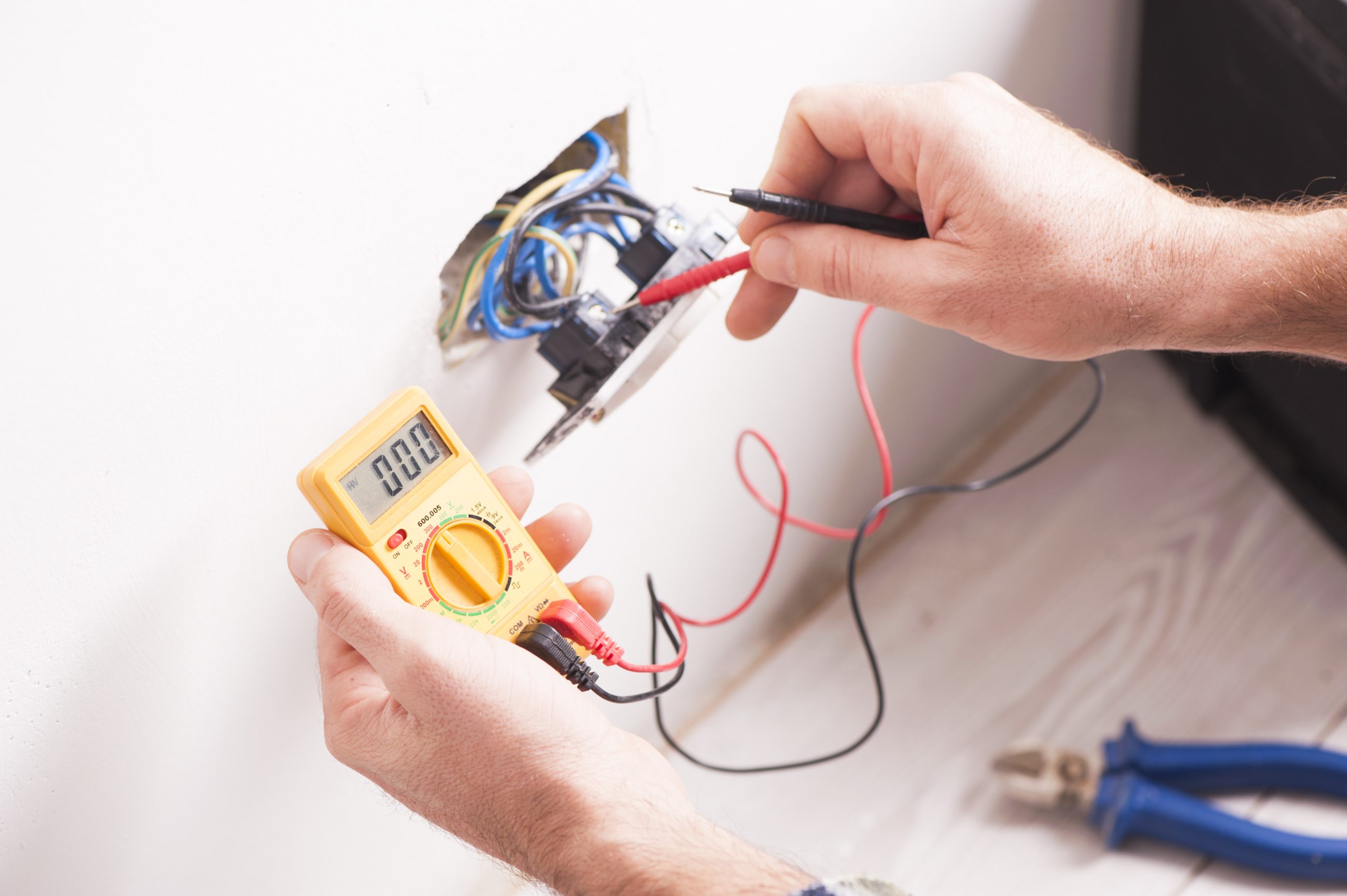
Avoid a costly mistake by calling a sparky early
The golden rule: open walls are your best friend
Alan recommends getting an electrician in when the walls are open.
“Rather than, ‘by the way, the kitchen just got done, but we didn’t move a socket’. You can do it, but it’s just going to be more expensive,” Alan says.
“And you’re introducing the risk of repair works which, if it’s a clean canvas, you don’t need to.”
This applies to any room where walls are being opened, linings replaced, or floors lifted — kitchens, bathrooms, laundries, living areas.
If an electrician can run a cable, relocate a socket, or upgrade a circuit while the space is already open, you avoid a second visit, more cutting, more patching, and more cost.

Get an electrician in while your walls are opened
Before the renovation even starts
Ideally, the electrician conversation happens before a single thing is pulled apart. Not mid-reno or when the builder’s waiting on-site. It’s best when you engage the electrician before all of this.
A pre-renovation walkthrough with an electrician gives you a clearer picture of what needs to happen, what order things should go in, and what the walls might be hiding before you open them.
It also helps your builder and sparky coordinate rather than work around each other.
Topics for that first walkthrough:

Plan ahead and talk to your electrician early on
When you open a wall and find something unexpected
Sometimes you don’t find the problems — they find you. You pull off a wall lining and discover cabling that looks nothing like what you’d expect. Or something that makes you think, ‘that doesn’t seem right’.
One of the most common discoveries during renovations is old two-core wiring on lighting circuits that nobody bothered to replace during a previous fit-out. Someone’s redone the bathroom, put in new GIB, tiled the whole thing beautifully, but left cabling in the walls that’s past its life.
Another thing to watch for: a strange-looking residue on old sockets and switches. If you see what looks like a greenish ooze or staining, that’s a plasticiser issue — a sign the insulation on the cable is breaking down.
“You can see this ooze coming out of sockets and switches — I know straight away that your cable is past the shelf life. It should have been changed 30 years ago,” Alan explains.
It’s worth getting them assessed before the walls are closed up.
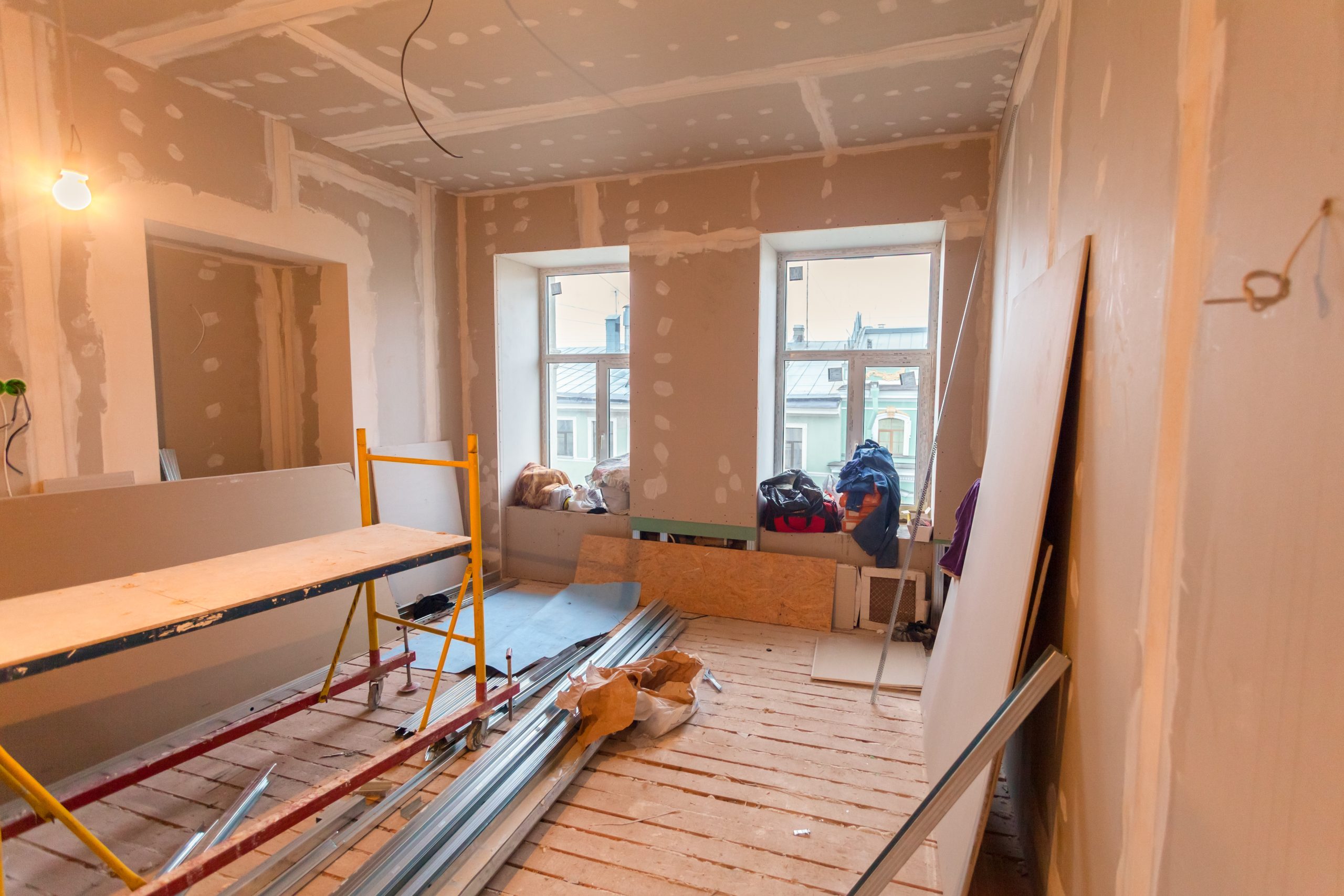
Ensure that all electrical is up to standard.
The bathroom renovation trap
Bathrooms are one of the most common renovation projects, and one of the most common places electrical work gets missed.
Steam, moisture, and the specific requirements of a bathroom mean there’s more to wiring than most homeowners expect, and once the tiles are on, fixing mistakes gets expensive fast.
Alan’s advice is the same as every other room: call before anything covers a wall or a floor.
If the bathroom has an extractor fan or should have one, the ducting and wiring need to be sorted while the ceiling is still accessible. Once the GIB is on and the plasterer has been through, you’re paying for all of that to come down again.

During a bathroom renovation, get an electrician in before anything covers a wall or a floor.
What about switchboards and Residual Current Devices (RCD)s?
If your home is older, a renovation is also a good prompt to ask your electrician to take a look at your switchboard, even if you weren’t planning to touch it.
“Stop spending money on things that might change the colour of your walls and start spending on something that will actually disconnect in a dangerous occurrence,” Alan says.
Alan recommends asking about RCDs (residual current devices — the safety switches on your switchboard) while the sparky is already on-site.
If you’re having electrical work done during a renovation, it’s a natural opportunity to check your switchboard is up to current standards.
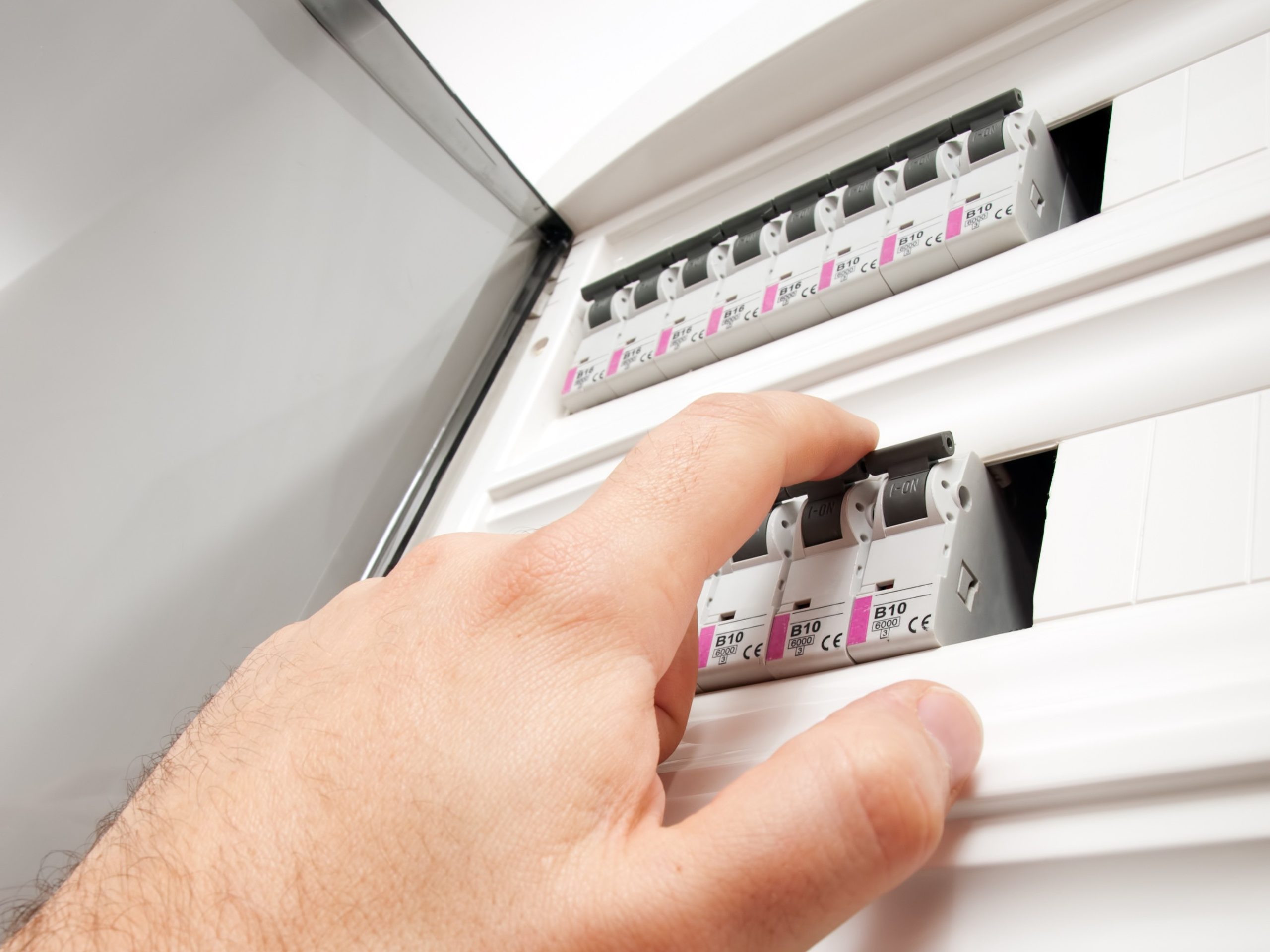
Check your switchboard is up to standard
A quick checklist: when to call during a reno
Where to start
“By planning it, you’ve got the chance to change it if you realise that something’s wrong,” Alan says.
If you’re planning a renovation and not sure where to start on the electrical side, find a verified electrician on Builderscrack.
A big thanks to Alan Hale from Halo Electrical Services for sharing his expertise.
